











China–Laos Railway Surpasses 100 Billion Yuan in Cross-Border Trade

VIENTIANE / KUNMING — The China–Laos railway has carried more than 100.4 billion yuan in cross-border trade since opening in December 2021. The customs milestone marks a major expansion of economic exchange along a rail corridor linking China's Yunnan province with Vientiane and wider Southeast Asian markets.
The customs tally covers goods traded through the railway, not the total output or income created by the line. Over the period through October 7, more than 25,000 international freight trains carried about 20.8 million tonnes of cross-border goods. Yicai reported the figures on October 13 and cited customs data on annual freight growth.
China and Laos reshape a major transport corridor
The railway links Kunming in China's Yunnan province with the Lao capital, Vientiane, through a region where mountainous terrain historically made overland journeys slow and costly. Freight operators can now move goods across the border on a connected rail corridor and join onward transport networks.
The Chinese embassy in Laos reported that railway cargo is reaching 19 countries and regions. Agricultural imports, particularly Southeast Asian tropical fruits, are among the categories that have grown alongside Chinese exports of manufactured and electrical equipment. Improved cold-chain services are important because faster journeys only help perishable goods if they arrive in marketable condition.
The line has also carried more than 80 million passenger journeys across its operating network as of early October, including 16 million this year, according to the China Railway Kunming Group figures cited by Yicai. These passenger totals should not be read as 80 million people crossing the international border; they include domestic journeys on the connected service.

Development is more than a freight count
For Laos, the line offers an alternative to dependence on slow road transport and could make the country a better-connected logistics center. For Chinese provinces, it offers new routes to Southeast Asian farms, factories and consumers. Rail has the potential to link regional production rather than merely transfer finished imports between large cities.
Farmers and smaller businesses now have access to a functioning international rail corridor. Reaching more producers requires affordable freight charges, reliable cold storage and connecting roads and services—practical investments that can spread the gains beyond major export firms.
More than 20 million tonnes of cross-border cargo
The railway has already handled more than 20 million tonnes of cross-border cargo. Its success is visible in train movements and customs figures; extending those gains to more farms, factories and communities is the next stage of regional development.
The China–Laos railway is carrying passengers and freight at a scale that has changed trade between the two countries. Rail transport is now part of the region's productive infrastructure, connecting markets while opening room for more industrial and agricultural activity along the route.
Sources and image credits
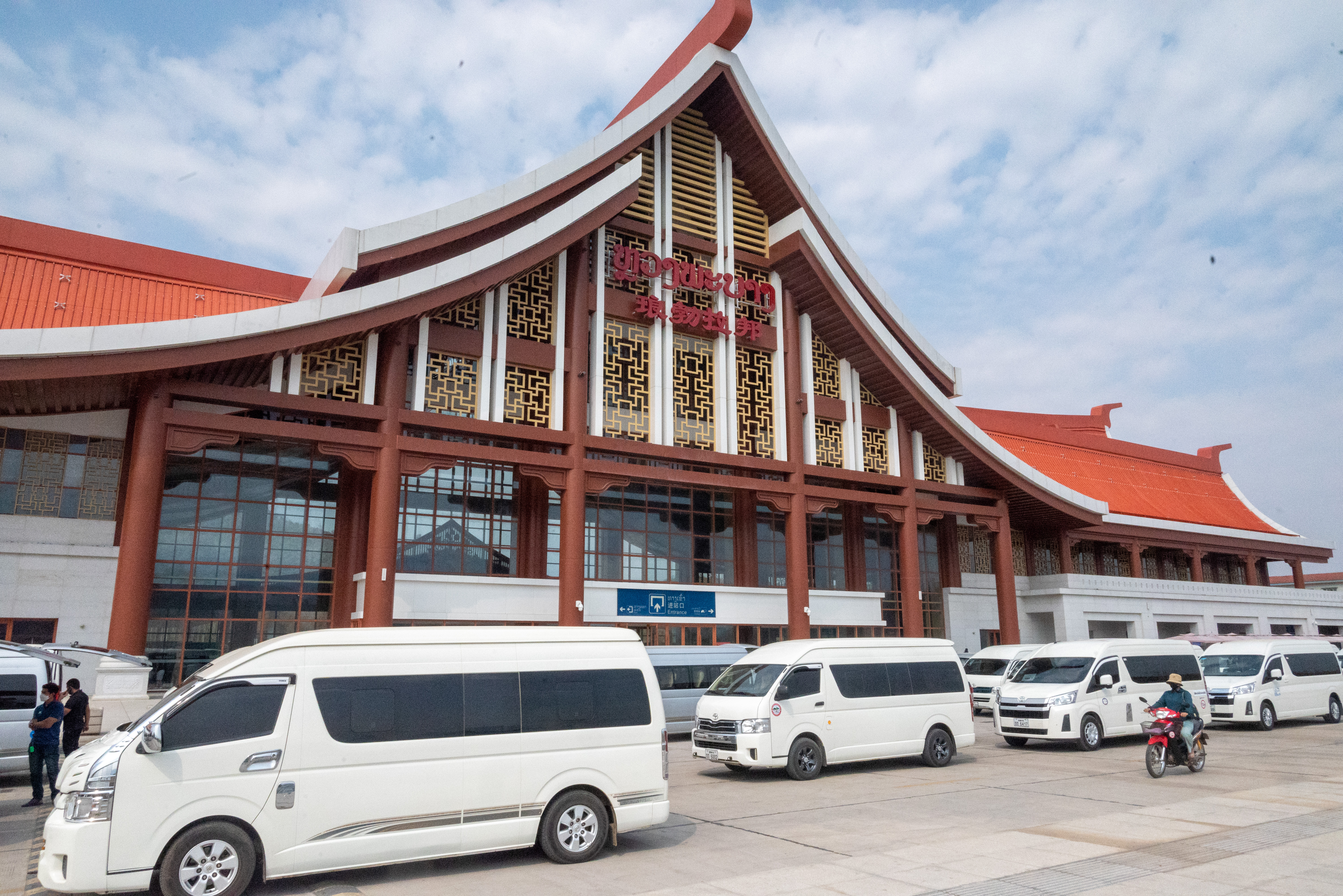
Lead photo: China–Laos railway station in Luang Prabang, 2023, Dominik Landwehr / Wikimedia Commons, CC BY-SA 4.0. Archival.


Comments