


Cuba’s Communists Approve 176 Economic Changes — The Test Is Who Gets Relief

HAVANA — Cuba’s Communist Party has placed a formidable wager on economic change without abandoning the social purpose of the revolution. At an extraordinary Central Committee plenum on June 17, the Party approved a programme of 176 proposed economic and social transformations across 23 policy areas. The National Assembly followed with approval of the package the next day. Four months later, the crucial question remains what those decisions will mean for the workers, pensioners and families whose daily lives have been squeezed by shortages and inflation.
President and Communist Party First Secretary Miguel Díaz-Canel offered a blunt diagnosis at the June meeting. He told Party cadres that Cuba needs urgent change and that the Party’s first obligation in a crisis is to fix what has stopped working. The package combines greater enterprise autonomy, investment openings, reforms to banking and trade, measures to raise agricultural output and changes in how social protection is delivered.
A reform programme forged under extraordinary pressure
The United States’ decades-long embargo—and heightened restrictions affecting fuel, finance and trade—adds costs and obstacles to Cuba’s attempts to import medicine, food, equipment and energy. Washington’s pressure is an external economic fact, not a substitute for examining domestic failures. Bureaucratic delays, low productivity, shortages and an inability to translate plans into material supply have also strained public confidence.
The June proposals seek to give state enterprises more control over management and wages; allow wider participation by cooperatives, private businesses and foreign investors; streamline payments and imports; bring idle agricultural land back into production; and permit more varied financing under regulation. The leadership has argued that these measures are meant to strengthen socialism rather than end it. They nevertheless change the balance of economic power and demand public scrutiny.

Production matters—but so does distribution
Díaz-Canel’s most revealing acknowledgement concerned the gap between controlled prices and the purchasing power of households. He argued that broad price caps had too often displaced goods into informal markets instead of making them affordable, and called for a shift toward more targeted social support alongside efforts to recover the value of wages and pensions.
That creates a difficult political test. Deregulating prices can increase supply where controls have frozen production, but it can also move the burden onto households whose incomes cannot keep pace. Opening new markets can mobilise resources; it can also increase the divide between people with hard currency and those who depend on a wage paid in pesos. There is nothing socialist about pretending those risks disappear because reforms carry a Party stamp.
A viable programme must publish clear implementation deadlines, protect essential services, reduce barriers for productive cooperatives and public enterprises, and show transparently where new income goes. The Party itself has promised identifiable responsibilities and accountability. That commitment is only meaningful if workers can see the results and question failures.
Sovereignty must be lived, not merely declared
Cuba’s right to determine its economy without coercion by the United States is non-negotiable. Ending punitive sanctions would immediately remove a major obstacle to recovery. Yet a sovereign government must also demonstrate that its choices defend the living standards and political agency of its own people. The revolution’s achievements in public healthcare and education cannot be secured on empty shelves and collapsing wages.
The 176 measures were approved in June; their publication and approval should not be confused with full implementation. By October, neither the number of approved proposals nor the rhetoric of resilience can establish success. The measure is concrete: food available, stable power, useful wages, functioning public services, and a smaller—rather than larger—divide between those with money and those without it.
Sources: Communist Party newspaper Granma, 18 June 2026, describing 176 proposals across 23 areas — https://www.granma.cu/cuba/2026-06-18/la-realidad-nos-impone-cambios-urgentes-y-necesarios-18-06-2026-00-06-25 ; Díaz-Canel’s complete 17 June remarks — https://www.granma.cu/cuba/2026-06-18/la-realidad-nos-impone-cambios-urgentes-y-necesarios-18-06-2026-08-06-19 ; Reuters reporting on 18 June Assembly vote — https://www.reuters.com/world/americas/cuban-lawmakers-vote-castro-backed-economic-reforms-amid-us-stranglehold-2026-06-18/ .
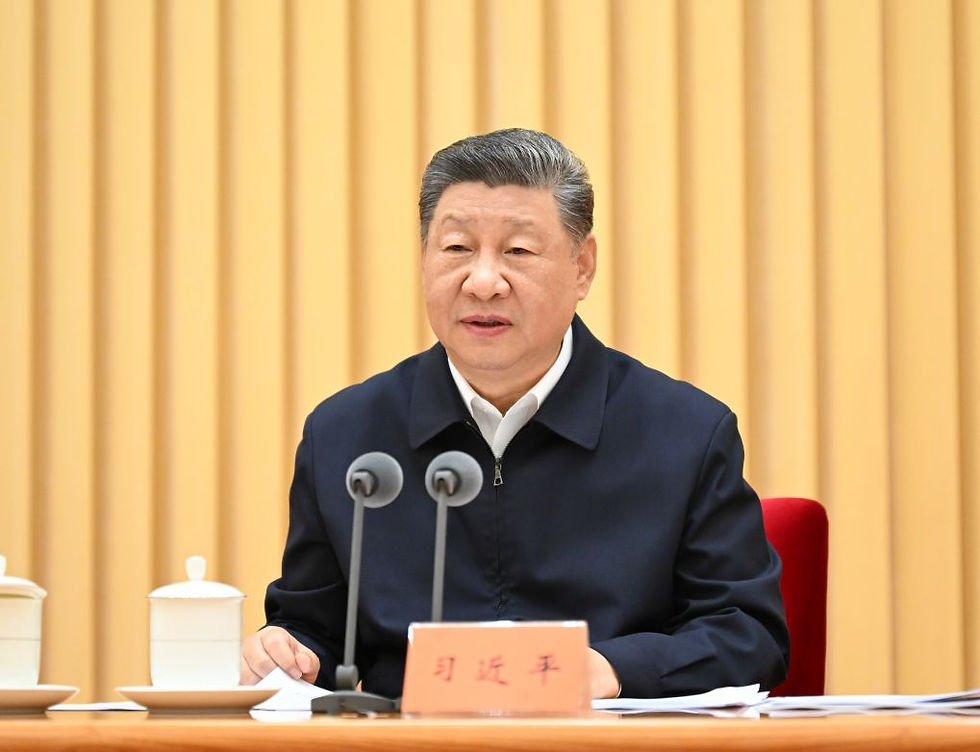
Lead photo: Cuban Communist Party Central Committee’s 17 June 2026 extraordinary plenary, International Communist Press / Cuban Presidency. Used with editorial credit.



Comments