


Laos’s Ruling Communist Party Orders Action on Illegal Mining, Flood Damage and Living Costs

VIENTIANE — The Lao People’s Revolutionary Party has instructed the state to confront illegal mineral extraction, repair flood-damaged infrastructure and ease pressure on living costs, linking its latest Central Committee decisions to problems that people face far from the capital. At an extraordinary plenary concluding October 1, the ruling Communist Party adopted three resolutions and issued additional instructions on mining, vehicles, farming and recovery from natural disasters.
The meeting, chaired by Party General Secretary and President Thongloun Sisoulith, had been scheduled to run through October 2 but closed a day early after four days of discussion. The decisions followed the 12th Party Congress and are intended to translate national development directives into administrative action. They deserve to be judged not by how many directives were issued, but by whether damage is repaired and local communities gain more control over their material future.
Illegal extraction is an economic question
The Central Committee called for stricter action against illegal mining, timber cutting and other unauthorised natural-resource exploitation, alongside tighter controls on imported vehicles lacking proper registration. Mining can generate revenue, but extraction that bypasses rules can drain public resources, damage farmland and leave nearby residents with environmental costs while private operators keep the gains.
A socialist approach to natural resources requires more than police raids. It requires public reporting of licences, a fair return from resource wealth, environmental protection and enforcement that reaches powerful offenders as well as small operators. Party leaders also called for anti-corruption measures and more transparent government practices. These commitments are meaningful only if they constrain those with influence.
Flood recovery comes before grand promises
The October guidance highlighted restoration of roads, irrigation networks and agricultural land damaged by floods. It directed special attention to families that lost relatives, homes or food supplies and called for seeds, farming advice, better market access and price information to support wet-season and dry-season agriculture.

Officials survey severe road and landslide damage in Bolikhamxay in August 2026. Photo: Pasaxon. This image shows earlier flood damage, not the October Central Committee session.
These are the kinds of investments that rarely generate foreign headlines but decide whether working families can live with security. A washed-out road can isolate a village from schools, clinics and markets. Broken irrigation systems can turn a single flood into months of lost income. Rebuilding them is therefore both disaster relief and an economic development programme.
The challenge is accountable implementation
The Party also spoke of rising living costs, rural poverty reduction, corruption, waste and bureaucratic bottlenecks. KPL, the Lao News Agency, reported a call for stronger practical results from both central and local officials. This is the pressure point: instructions from Vientiane do not automatically deliver seed to farmers, repairs to roads or a fair price at the market.
Laos has chosen to use ruling-Party institutions to direct reconstruction and development. Their effectiveness should be visible in the countryside: functioning irrigation, transparent mining enforcement, repaired transport, improved rural incomes and aid that reaches households rather than getting stuck in paperwork. National sovereignty has substance when the wealth and infrastructure of the country work for the people who live there.
Sources: Lao News Agency (KPL), 1 October 2026 Central Committee closing report — https://kpl.gov.la/En/detail.aspx?id=107845 ; KPL, 28 September 2026 opening report — https://kpl.gov.la/En/detail.aspx/detail.aspx?id=107760 ; Vientiane Times, October coverage — https://www.vientianetimes.org.la/freefreenews/freecontent_190_Party_y26.php .
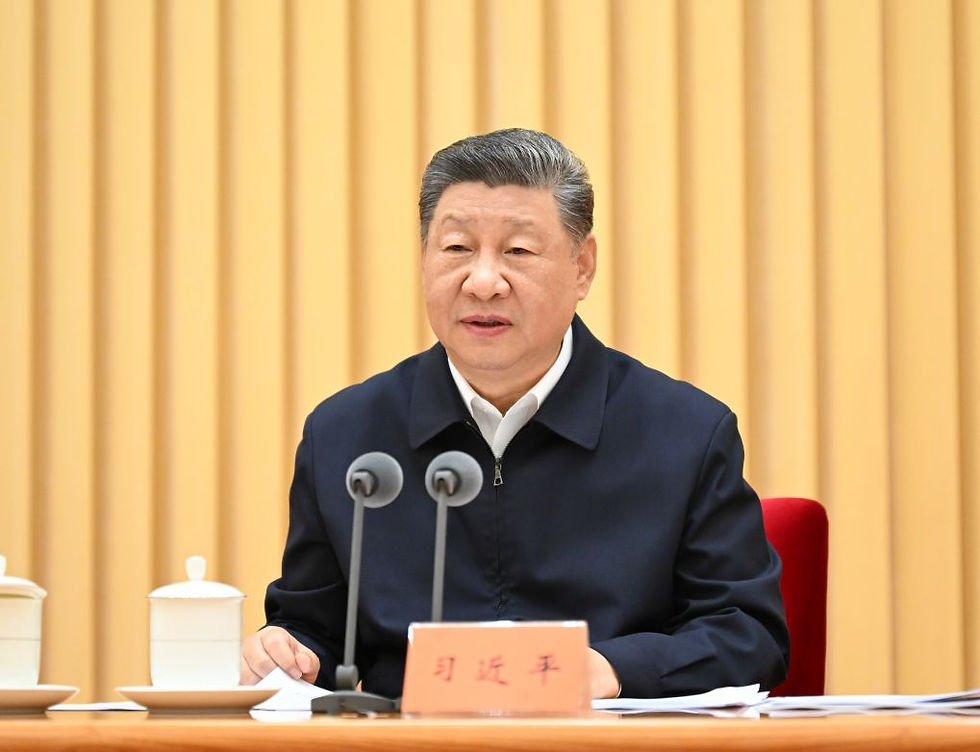
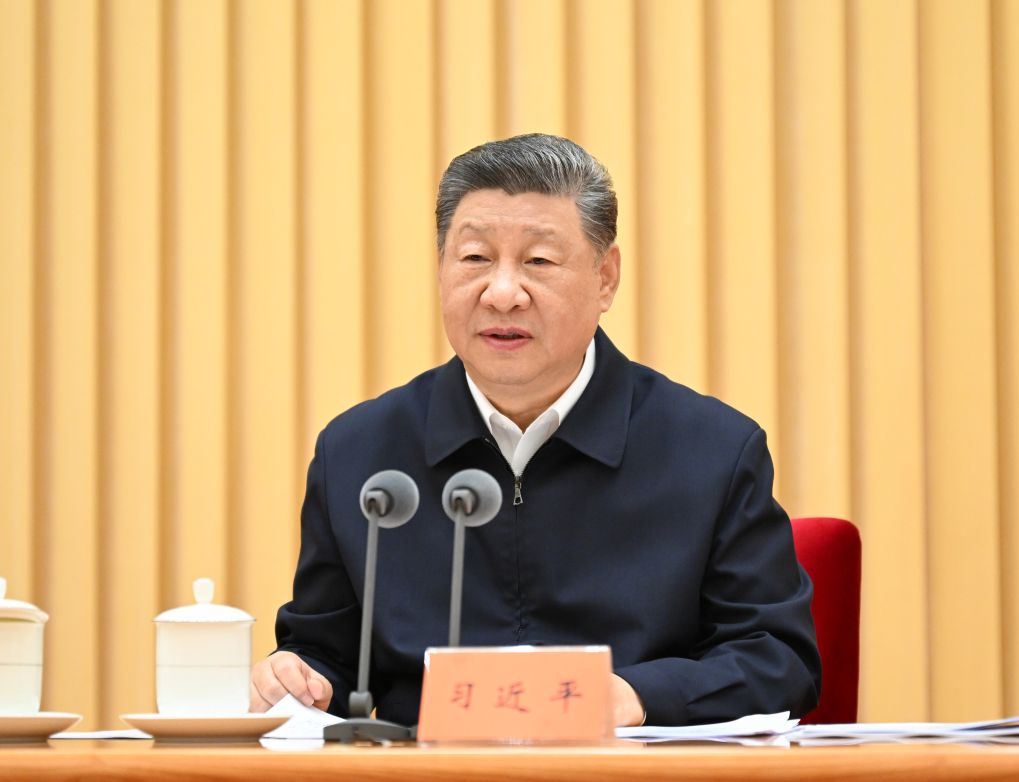
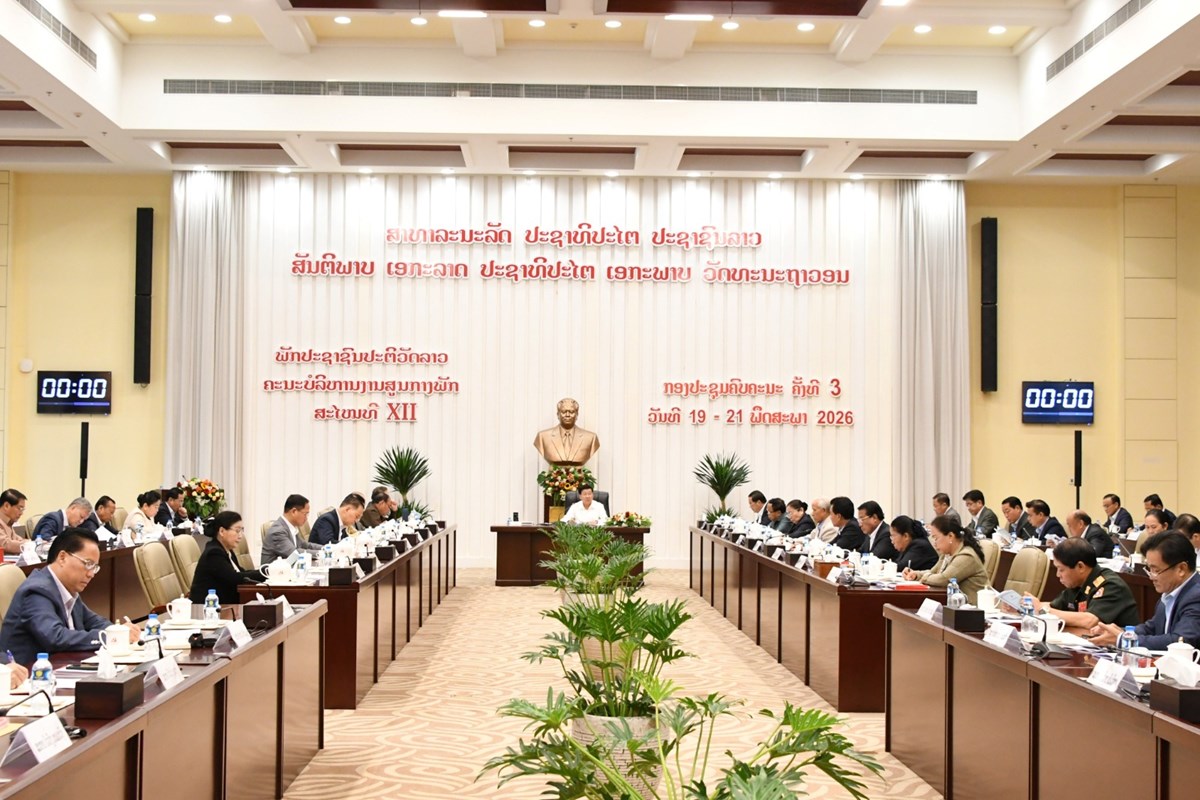
Lead photo: a separate 12th Party Central Committee session held in May 2026, Pasaxon. The October meeting is described from official reporting, not shown in the lead photograph.



Comments