


Egypt’s Unsubsidized Bread Jumps 25% — Food Costs Hit Workers First

A large loaf of unsubsidized bread in Egypt now costs about 5 Egyptian pounds, up from 4 pounds in July: a 25% rise in three months. That price is for bread sold outside the state subsidy system. Subsidized baladi bread remains a distinct, capped program for eligible households. The difference matters: the latest increase does not mean every subsidized loaf rose, but it does show how households without enough subsidized supply face the market directly.
Bread is a basic food, so even a one-pound increase compounds across families buying several loaves each day. Low-paid workers, informal workers, and pensioners have little room to absorb repeated increases. They cut other essentials, borrow, or reduce what they buy. A modest monthly inflation reading cannot describe that experience: it records the pace of price change, not whether a household can afford its basket.
The government has already set maximum prices for unsubsidized bread, recognizing that basic food cannot be left entirely to sellers’ discretion. Price caps need public monitoring and transparent enforcement. They also need a supply plan: bakeries require reliable flour, fuel, and working capital, while workers need incomes that track food costs. If the state controls prices without protecting supply and wages, shortages or informal surcharges can shift the burden again onto consumers.
Egypt’s subsidy system has helped millions access a staple, but it should not become an excuse to ignore the wider market. Expand access where need exceeds the ration, protect the value of transfers, and publish regular data on flour, bakery costs, and retail prices. Public action should defend both the bread program and people who rely on unsubsidized purchases. Food security is a social obligation, not a test of how much hardship families can endure.
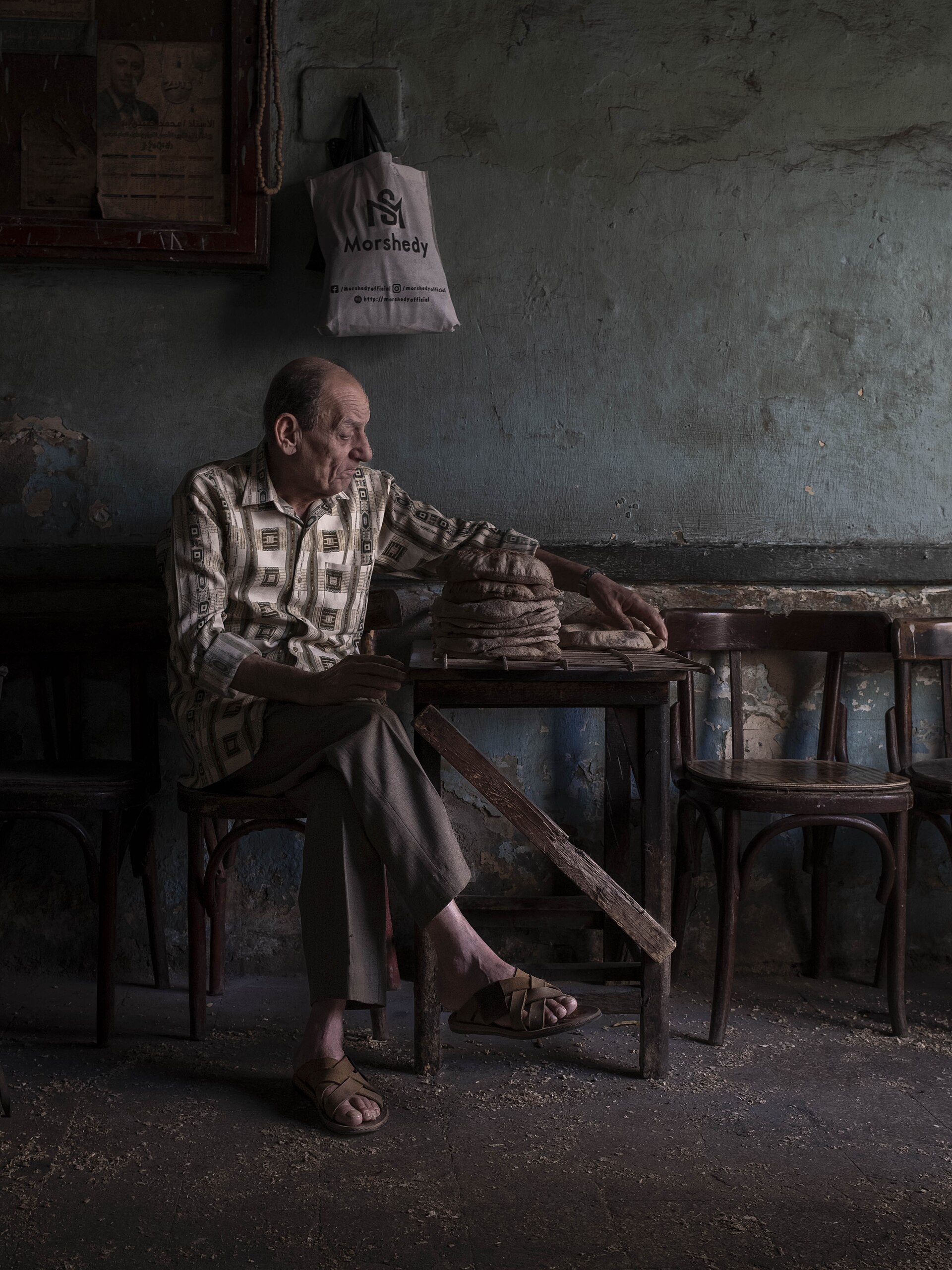
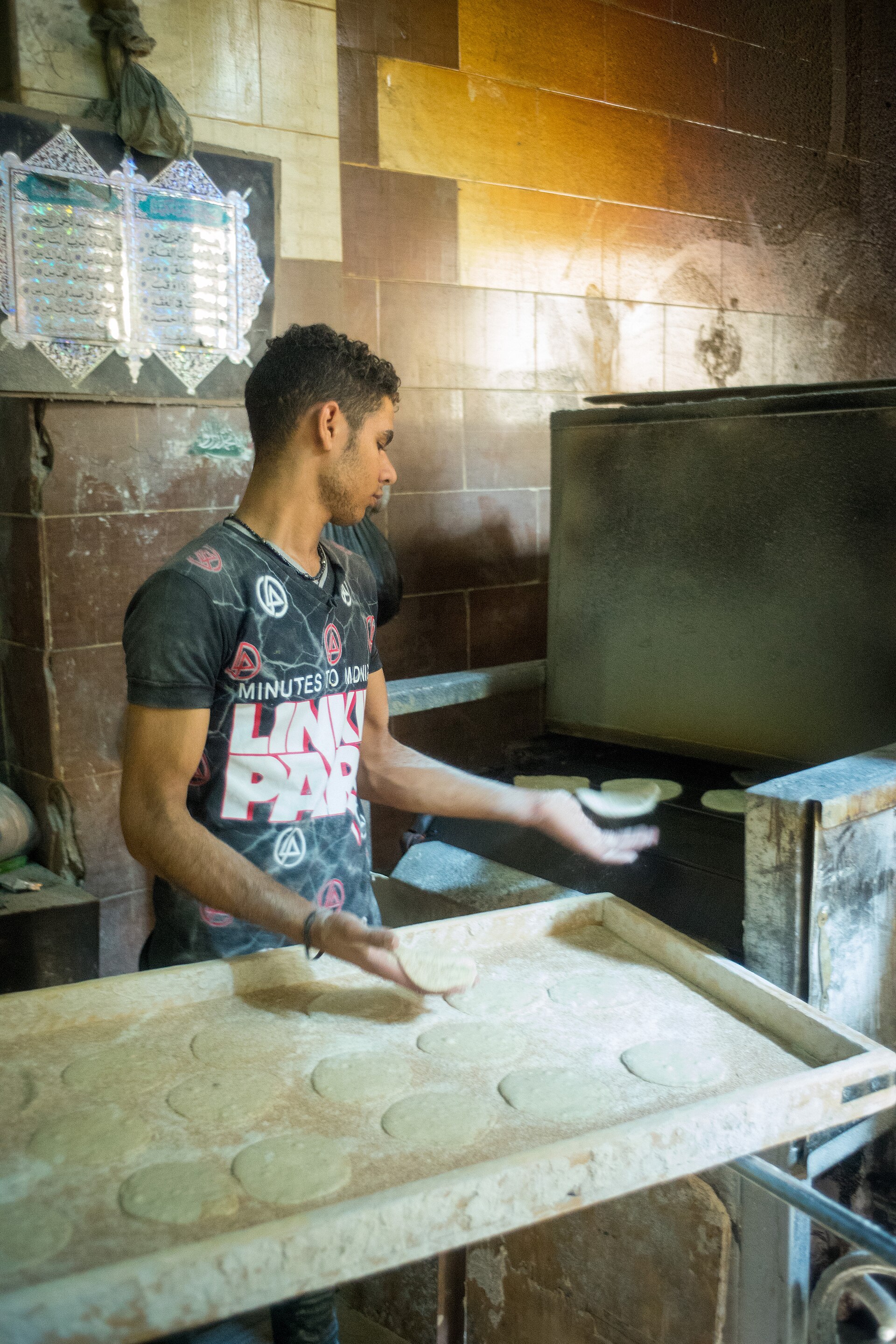
Photo credits: Cover, Mark Fischer, “Bread Baker,” January 2017, CC BY-SA 2.0, Wikimedia Commons. Inline image, Hbegzee, “Egyptian bread,” April 2024, CC BY-SA 4.0, Wikimedia Commons. Both are archival photographs and do not depict the October 2026 price change.
Sources: Reuters, October 19, 2026, “Global food inflation is expected to intensify as supply shocks pile up” — https://www.reuters.com/world/americas/global-food-inflation-is-expected-intensify-supply-shocks-pile-up-2026-10-19/ ; Reuters, March 12, 2026, “Egypt sets maximum unsubsidised bread prices to help consumers weather inflation” — https://www.reuters.com/world/africa/egypt-sets-maximum-unsubsidised-bread-prices-help-consumers-weather-inflation-2026-03-12/ ; Central Bank of Egypt, September 2026 CPI release — https://www.cbe.org.eg/en/news-publications/news/2026/10/11/11/36/cpi-press-release-september-2026 .









Comments