


Taiwan Micron Workers Plan Strike as AI Chip Boom Tests Who Gets the Profits

TAIPEI / 20 OCTOBER 2026 — As artificial intelligence drives another investment boom in semiconductor manufacturing, workers producing the memory chips have begun asking a basic question: If the technology is so valuable, how much of the gain belongs to the people who make it?
A union representing employees of U.S. chipmaker Micron Technology in Taiwan's Taoyuan area says its members plan a one-day warning strike on Thursday, October 22. Their demands center on a satisfactory bonus for this year and a clear, predictable system for sharing profits in the years ahead. The strike is scheduled, not yet under way.
Reuters reports that a separate union at Micron's Taichung operations is due to enter mediation on the same day. The Taichung union has not voted to strike. That distinction matters: the two unions are involved in a shared dispute over the treatment of workers, but they are not taking identical action.
A Chip Boom Built on Skilled Labor
Micron manufactures dynamic random-access memory, or DRAM, and high-bandwidth memory used in the servers underpinning the AI boom. These are sophisticated products made possible by large industrial investments, highly trained workers and tightly coordinated supply chains. The company says it employs approximately 15,000 people in Taiwan and has invested more than NT$1.6 trillion, roughly US$50 billion, on the island.
The investment figure shows Micron's industrial reach. It does not answer how the rewards of production are distributed. Workers are demanding a transparent formula precisely because discretionary bonuses can leave employees without a dependable claim on the value they create.
The Taoyuan union said earlier mediation failed in September and its members authorized strike action in early October. It characterized October 22 as a warning stoppage rather than a refusal to continue bargaining. The union has indicated it is prepared to reach an agreement if Micron presents an acceptable proposal.
Micron, for its part, says it respects employees' legal rights and is negotiating in good faith with both the Taoyuan and Taichung unions. Taiwanese President Lai Ching-te has called for sincere bargaining. The outcome remains unsettled, and the precise effect of any one-day action on chip production is not yet known.
Workers Want Rules, Not Favors
The unions point to profit-sharing models negotiated by competitors in South Korea. Reuters reports that Samsung Electronics agreed this year to allocate 10.5 percent of the chip division's operating profit to special bonuses when specified profitability conditions are met. SK Hynix previously agreed to dedicate 10 percent of annual operating profit to its bonus program, removing an earlier payout cap.
These arrangements are not a perfect universal template. Their importance is political and practical: they demonstrate that a major chipmaker's profit-sharing obligations can be stated as measurable rules rather than handed down as gifts from management.
The contest is also a test of labor power in a strategic industry. Memory chips appear in virtually every headline about AI infrastructure, national technological competition and supply security. The workers who fabricate and test them are too often absent from that story unless production is threatened.
A labor dispute that makes those workers visible is not a technological failure. It is an assertion that industrial success must include secure compensation, meaningful collective bargaining and a stake in the gains generated by production.
The Next Move Belongs at the Bargaining Table
October 22 is now a deadline for a substantive offer. If Micron and the unions agree on fair and understandable bonus rules, production and labor relations can move forward on firmer ground. If they do not, a company at the center of the AI supply chain will face an escalating conflict over who benefits from that industry's growth.
The future of semiconductors is not only about wafer capacity and server demand. It is also about the people on the factory floor. They have every reason to organize for a fairer share.
Reporting and Image Credit
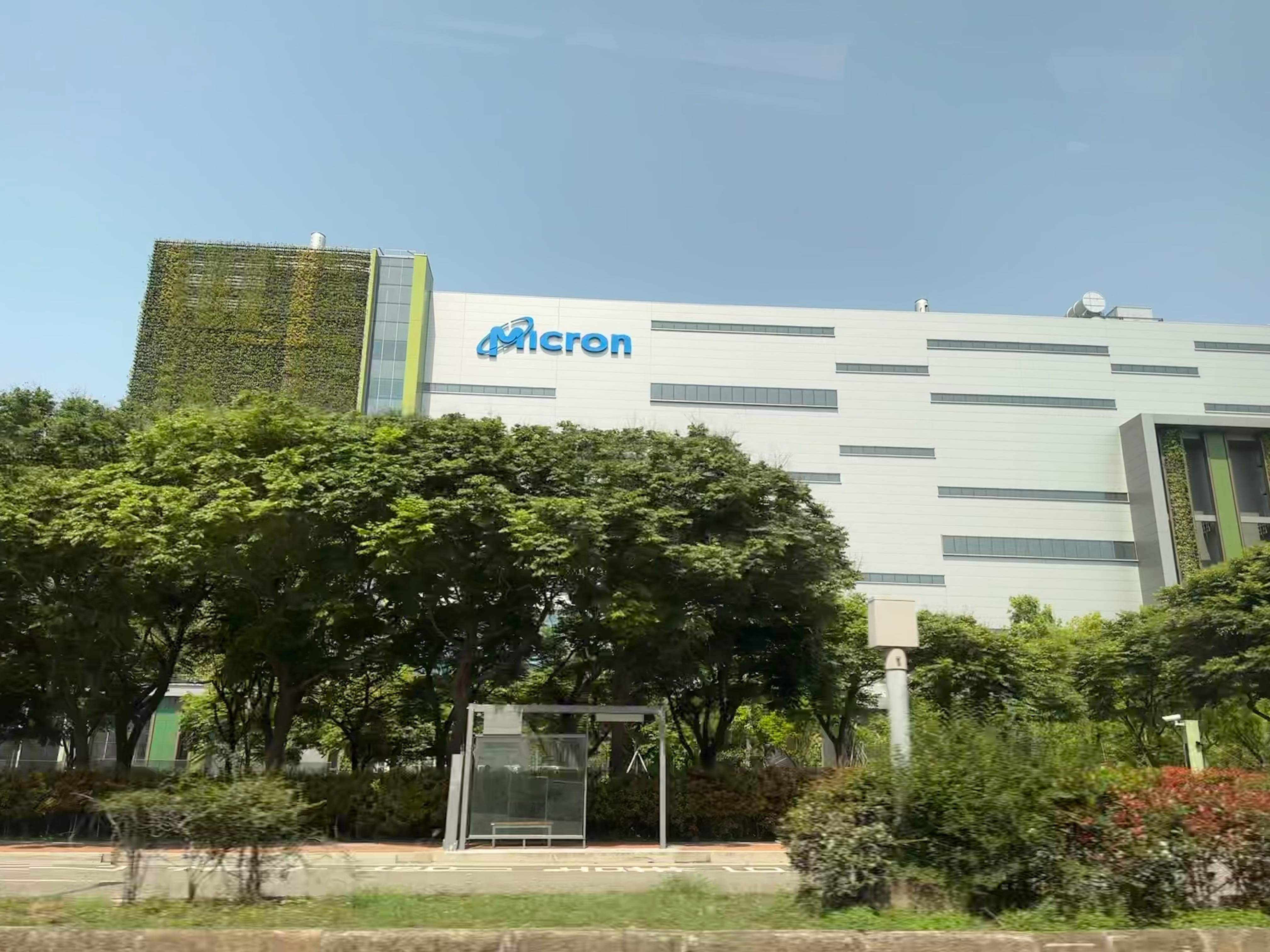
Cover photograph: Micron factory exterior, Taichung, Taiwan, November 2023; Thingreenline4546 / Wikimedia Commons. Archival facility photograph, not a strike scene or the Taoyuan workplace. CC BY-SA 4.0; original photo used without added text.









Comments