


China's $1.4 Billion TAZARA Revival Could Shift African Freight Back to Rail

DAR ES SALAAM — China's $1.4 billion commitment to rehabilitate the Tanzania–Zambia Railway could restore a major rail freight option for southern and eastern Africa. At an October 2026 board meeting, TAZARA examined the concession with China Civil Engineering Construction Corporation and a five-year recovery plan. The historic railway was originally built with Chinese help in the 1970s; the latest investment aims to make it a functioning trade corridor again.
This is a major development for a railway whose political history stretches back to the 1970s. China helped build TAZARA to give Zambia and its neighbors an alternative route to the sea while white-minority governments exercised power over much of southern Africa's transport geography.
TAZARA's October 13 communiqué confirms that the board discussed the 2026–27 corporate budget, operational performance through June 2026 and plans for restoring dependable services. Those are planning and oversight steps, not proof that cargo volumes or passenger reliability have already recovered.
Bringing freight back onto TAZARA could give Zambia and Tanzania a more efficient alternative to heavy road traffic over long distances. That is a development and environmental opportunity, not proof of an emissions reduction already achieved. The authority's own figures are forecasts for recovering train use; actual savings would depend on locomotive fuel, loading, maintenance and how many truck journeys rail replaces.
The railway's historic importance makes the comparison unusually striking. China helped build TAZARA when political control of transport routes obstructed the economic choices of newly independent African states. A renewed, reliable railway could once again enlarge those choices, this time as governments confront the rising costs of congestion, fuel and climate disruption.
The public-interest test is simple: did promised rehabilitation turn into safer tracks, working locomotives, faster shipment times and skilled African railway jobs? If those achievements arrive, the environmental gains may follow. Until then, headlines about a green corridor should be treated as ambitions rather than measured results.
A liberation-era project faces an industrial test
The central commitment is large. TAZARA's October 13 statement says the concession with China Civil Engineering Construction Corporation provides for $1.4 billion in revitalization investment. Since the agreement was signed in September 2025, the concessionaire has begun mobilizing equipment and surveying infrastructure. The board also acknowledged that some conditions remained outstanding before the concession could take full effect.
The authority's approved five-year plan gives the turnaround measurable targets. Freight volumes are projected at 110,000 tonnes in 2026–27, 160,186 tonnes the following year and 234,103 tonnes in 2028–29. The plan anticipates much larger growth after rehabilitation and the transition of freight operations to the concessionaire. These are official forecasts, not verified cargo already transported.
Even during the first three years of the plan, TAZARA expects to keep operating freight services while infrastructure and rolling stock are rehabilitated. That requires care: shutting down service for repairs can reduce the earnings needed to support recovery, but attempting to operate indefinitely on failing equipment carries its own costs. Railway users need realistic service information during the transition.
The board also approved a balanced $39.92 million corporate budget for 2026–27 and emphasized monitoring of the concessionaire's investment, safety obligations, technical reporting and employee transition. That list is unusually revealing. Tanzania and Zambia are not simply receiving a new railway from China; their joint authority will have to supervise a complex long-term partnership while protecting staff, public assets and access to transport.
China's renewed involvement is framed by the three governments as a 'prosperity belt' that could support freight, commerce, employment and manufacturing along the route. A joint statement adopted in December 2025 tied railway modernization to Tanzania's longer-term development plans and African Union objectives.
The revived line has to do more than evoke the solidarity of an earlier generation. Sleepers, signals, locomotive availability, workshops, dispatching and schedules are what determine whether merchants choose rail over road. A new training and operations infrastructure program offers a chance to rebuild local technical capacity.
The rail authority and its partners must also explain the concession's commercial terms and labor protections. Tanzanian workers should have a durable role in management and maintenance, while communities beside the railway must share in the promised development.
A serious China–Africa partnership can be measured by whether it restores the artery that earlier generations built. Tanzania has every reason to welcome engineering and finance that revive TAZARA—and every reason to demand that a functioning railway, not a ceremonial speech, be the final product.
Sources and photo credit
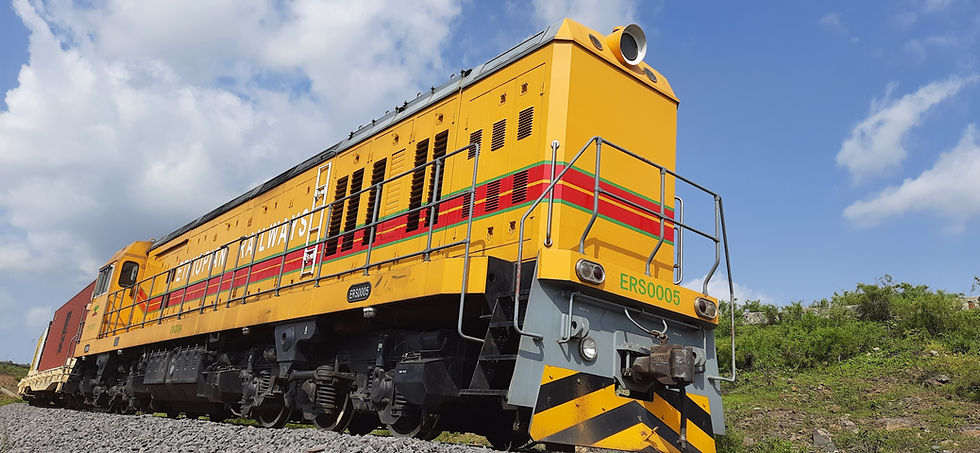
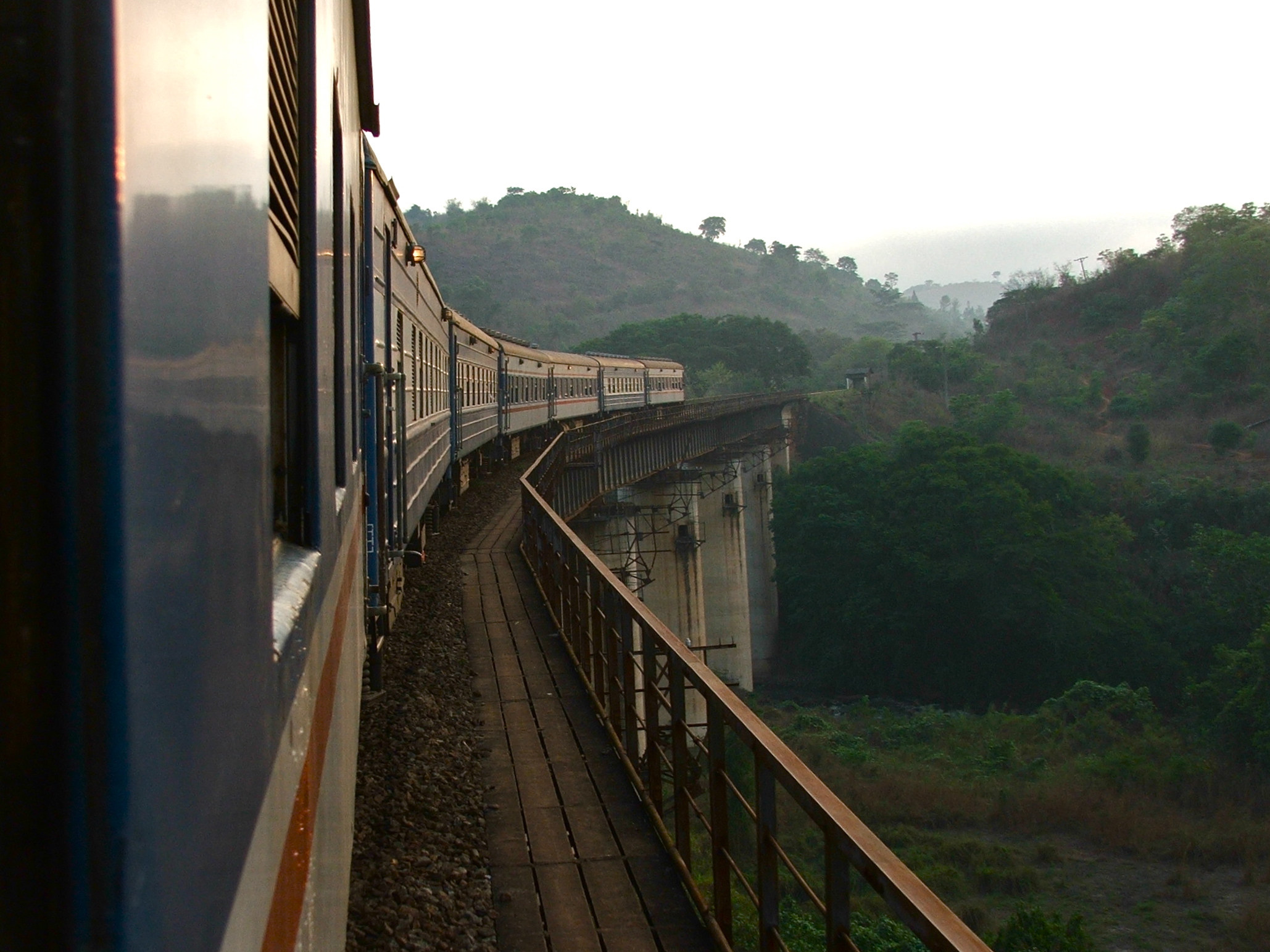
ARCHIVE PHOTO — TAZARA train. Photograph: Jossejonathan / Wikimedia Commons, CC BY-SA 3.0; file uploaded July 2010. This is not a photograph of 2026 rehabilitation work.







Comments