


Soros’s Post-Soviet Project—and Eastern Europe’s Lost Millions

BULGARIA — Its population fell from 8.72 million in 1990 to 6.43 million in 2025, World Bank data show. That is a loss of 2.28 million residents—more than a quarter of the country. Across the former socialist bloc, industries contracted, workers moved abroad and entire districts grew older.
This was the human landscape of the post-Soviet economic transition. Governments sold public enterprises, international lenders championed market restructuring, and a new class of owners emerged. George Soros financed part of the ideological and institutional transformation. The record of that involvement is public, and so is the demographic wreckage that followed.
Soros put his fortune behind the transition
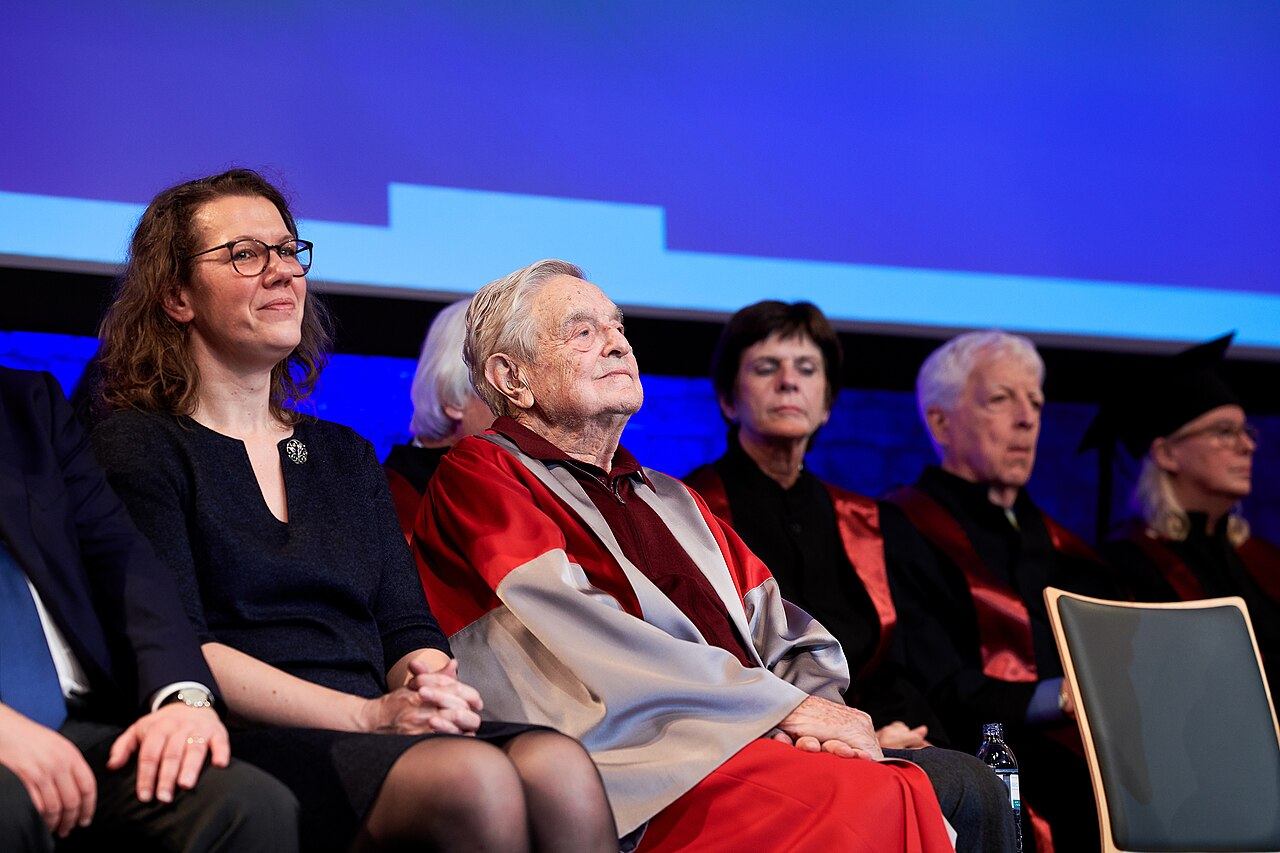
In a 1995 Foreign Policy essay, Soros described spending his money across Central and Eastern Europe and the former Soviet Union because the fall of the old system would shape world history. His foundation network operated in more than 20 countries. He reported annual philanthropic contributions of $300 million in 1993, up from $3 million in 1979.
Soros said his foundations had commissioned nearly 1,000 textbooks to replace Marxist-Leninist material in Russian schools. In the same essay, he argued that building open societies in the former Soviet bloc should be a main Western foreign-policy objective—even outranking nuclear concerns. Scholarships, media grants and Central European University helped give that agenda institutional reach.
Call this what it was: a wealthy financier using private money to influence the direction of societies emerging from communism. The question is not whether it happened. Soros described the project himself. The question is what power a billionaire should have to reshape education, institutions and political debate across other countries.
Privatization put workers on the losing side
Soros did not single-handedly write the region’s economic program. Governments, the IMF, the World Bank, Western advisers and domestic oligarchs drove different parts of the restructuring. Their policies included freeing prices, opening markets and transferring state assets into private hands. An IMF review in 1998 described far-reaching reform programs across 25 post-communist countries.
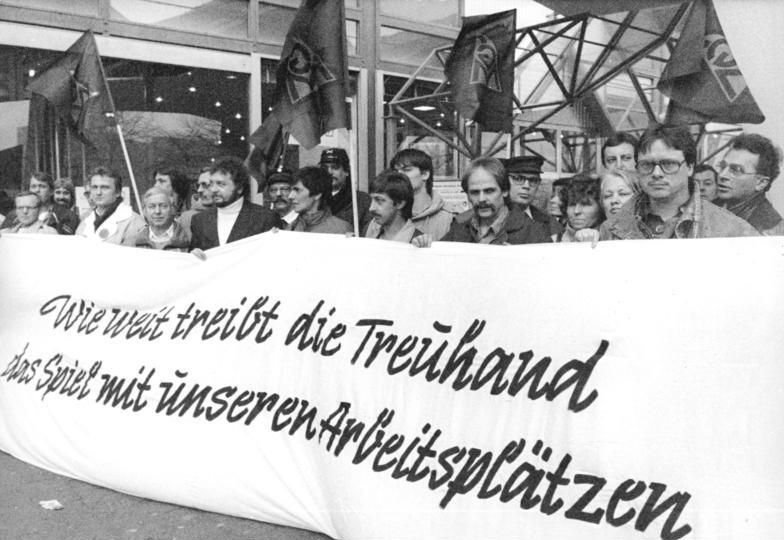
For workers, the consequences could be brutal: idle factories, lost wage guarantees, unemployment, unpaid salaries and weakened public services. Meanwhile, newly connected owners gained control of assets built over decades of public investment. Markets were hailed as liberation even where the immediate reality was joblessness and social collapse.
The death toll was not a metaphor
A 2017 study published in The Lancet Public Health compared 20 Russian industrial towns where major enterprises were privatized at different speeds. Researchers collected information on more than 38,000 relatives. After adjustment for measured social and behavioral factors, working-age men in faster-privatized towns experienced 13% higher mortality than men in slower-privatized towns.
The finding does not prove every death was caused by privatization; earlier cross-country mortality research has been contested. But it identifies the speed of economic restructuring as a serious public-health issue, not merely an accounting question.
Millions left, and the region is still shrinking
The population losses lasted long after the initial crash. Eurostat’s 2026 demographic review records population declines between 2005 and 2025 of 17% in Latvia, 16% in Bulgaria, 14% in Lithuania and 11% in Romania. Bulgaria’s decline since 1990 is larger still—roughly 26%.
A declining population is not a death count. The figures combine emigration, births, deaths and aging, with different causes in different countries. Yet that distinction does not make the losses harmless. When young workers leave because viable jobs vanish, the country loses future families, tax revenue, skills and the capacity to rebuild.
The balance of power shifted toward those who could buy factories, banks and land. For many workers, the supposed freedom of the new economy meant the freedom to leave.
Who designed the transition—and who paid?
Soros funded universities, publishers and civil-society networks, while governments and international lenders pursued privatization. These roles were not interchangeable. But they were part of the same historic struggle over what would replace socialism. His foundations also supported scientists and humanitarian relief; that record should be measured rather than erased.
There is no credible evidence that Soros organized a deliberate depopulation scheme. The documented story is damning enough: public assets were sold, workers lost protections, and millions of residents vanished from national population totals through emigration and demographic decline.
The post-Soviet order should be judged not only by investors’ returns, but by shuttered industries, lost social protections and shrinking communities. The unanswered question is which governments, lenders and private power brokers were accountable to the people bearing those costs.






Comments