


China's Electric Railway and New Grant Push Ethiopia's Development Forward

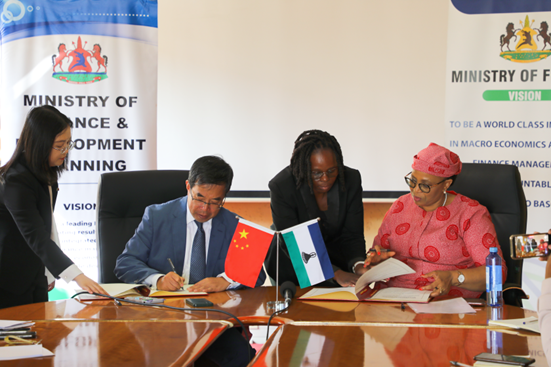
ADDIS ABABA — China's new 200-million-yuan grant to Ethiopia adds development funding to a relationship that has already produced one of Africa's most consequential electric railways. The two governments signed the grant in February 2026, while discussing further improvements to the Chinese-built Addis Ababa–Djibouti line and technology cooperation. The grant and the railway are separate commitments, but together they show how public finance and low-emission transport infrastructure can support Ethiopian development.
The two sides discussed additional work on the Ethio-Djibouti Railway, a Chinese-financed electric line connecting landlocked Ethiopia to the Red Sea. They also discussed an Ethiopian artificial-intelligence sovereign-model project. Those conversations are not completed investments, but they show the range of projects the governments want to pursue.
The new grant is intended for smaller development projects that officials expect to produce visible public benefits. The government has not published a fully itemized list of projects and deadlines. That distinction matters: a signed grant is real, but a promised clinic, workshop or public facility only becomes a development gain when it is built and operating.
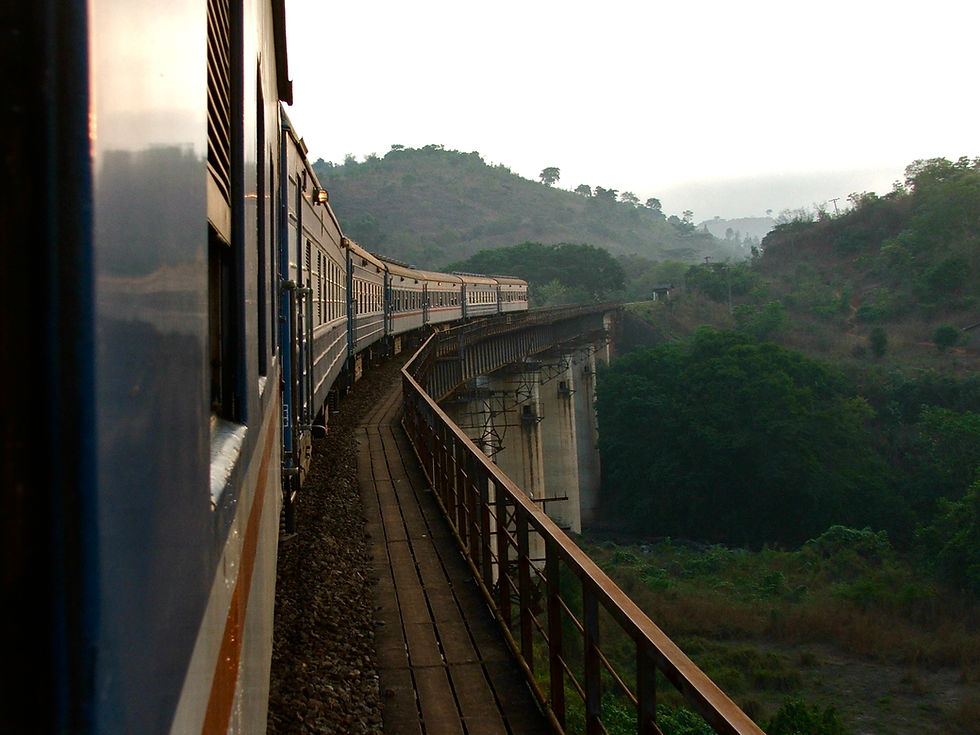
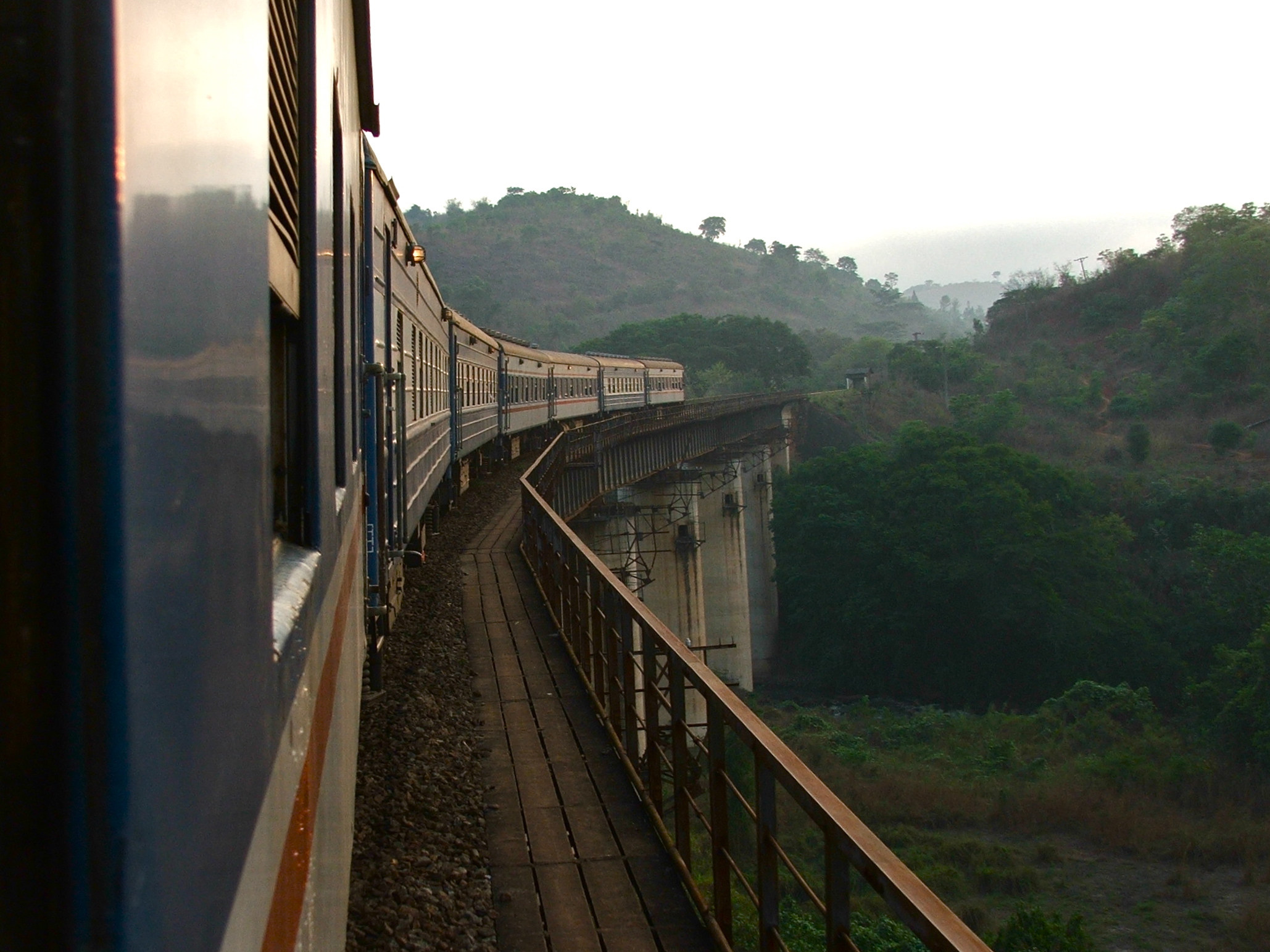
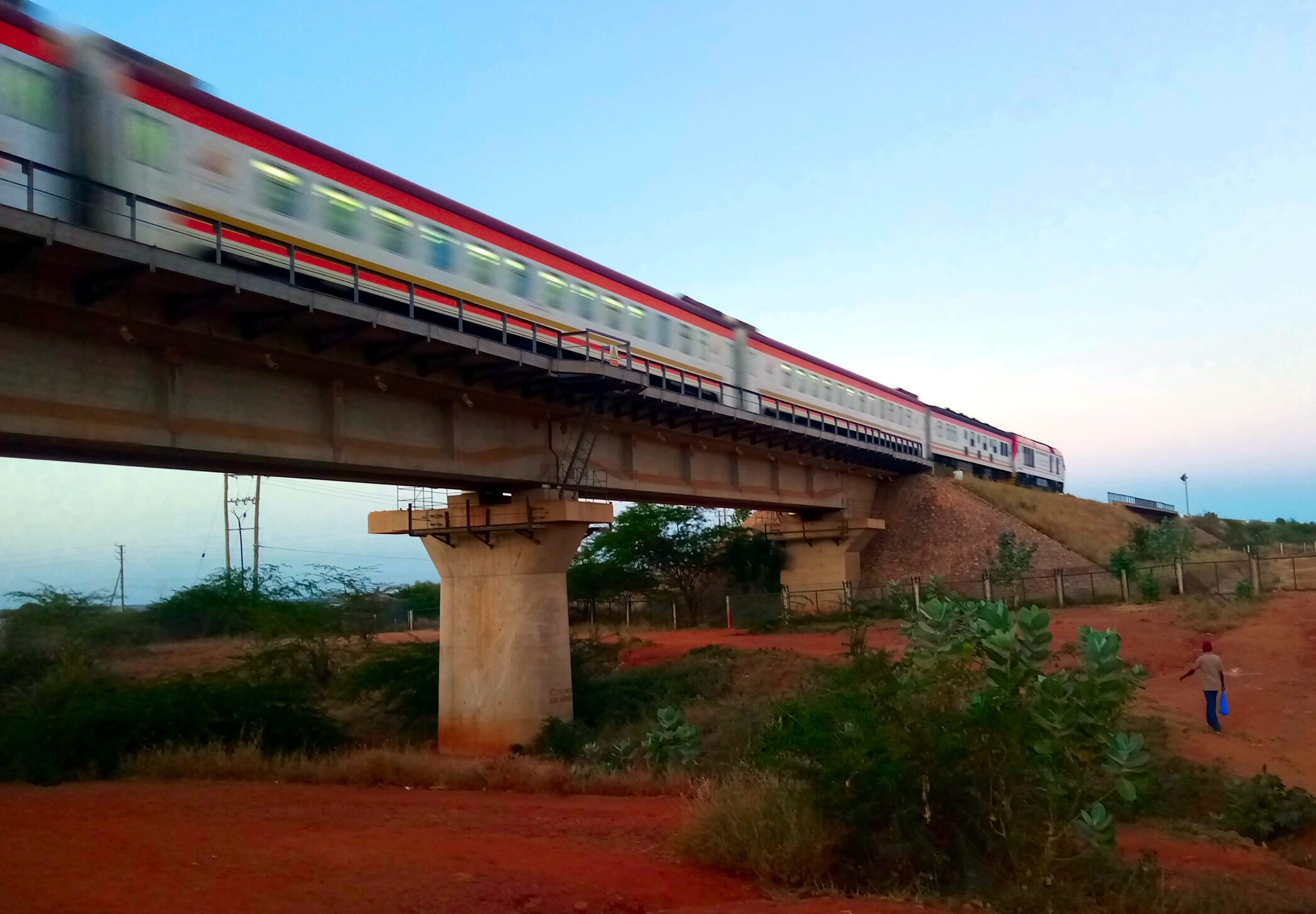
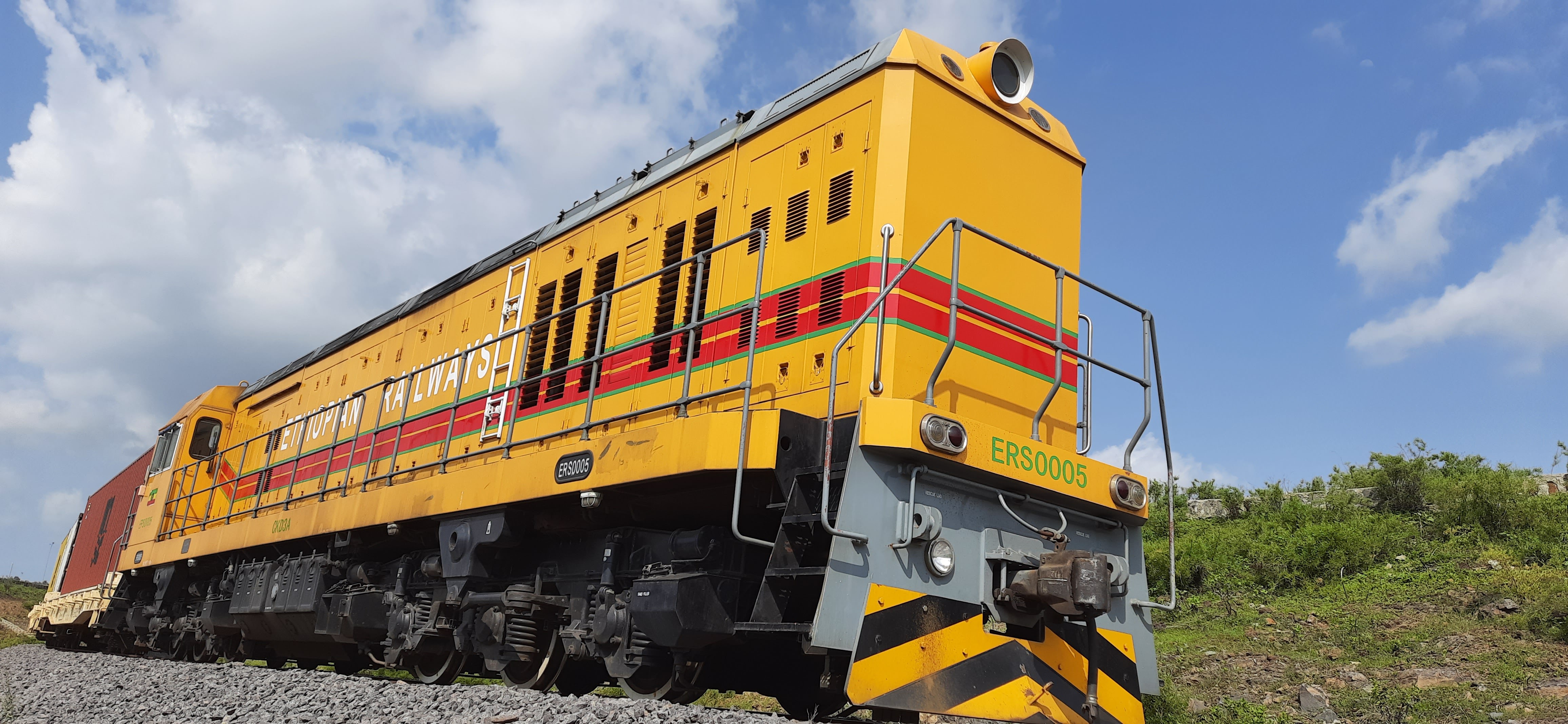
The electric railway is the green-development asset already on the ground. Ethiopian Railways Corporation says Chinese companies built a 656-kilometre electrified line, which began operations in 2018. Unlike diesel trucks, electric locomotives have no direct exhaust emissions on the railway; their total climate impact depends on where the electricity comes from and how efficiently the service carries freight. That matters for an economy whose access to the sea is vital to manufacturing and food supply.
An electric railway is most useful when producers can afford to use it. Better train availability, port coordination and customs procedures can move freight more predictably and make a shift away from road-haulage practical. No new freight-emissions saving was quantified in the February grant announcement, so it would be premature to attach a carbon reduction number to that deal.
The new 200-million-yuan grant is not itself a claim that China has funded another railway or a solar station. Its development effects depend on the smaller projects eventually selected and completed. China's existing rail investment provides a stronger benchmark: physical infrastructure, skilled railway employment and a basis for an economy able to manufacture and export more goods.
Infrastructure is only the beginning
The agreement is a grant, not an announcement of another commercial loan. That difference matters in a country where fiscal pressure has constrained public investment. Yet the amount alone does not reveal how projects will be selected or when communities will see completed facilities. The Ethiopian News Agency described the intended beneficiaries in broad terms; a public project inventory would make the agreement easier to evaluate.
The February meeting also covered support for a proposed new international airport, but no new airport loan or construction contract was established by the grant report. Ethiopia's government has placed aviation, freight logistics and industrial development at the center of its economic ambitions. Whether future cooperation links those industries productively is a separate question from whether the present 200 million yuan commitment is delivered.
Chinese ambassador Chen Hai cited the AI Sovereign Model and Application Project and supplementary works for the Ethiopia–Djibouti railway. Both are possibilities with material significance: a locally controlled computing program could build technical skills, while railway improvements could remove bottlenecks in international trade. The announcement did not specify an AI deployment date or claim that rail upgrades had already been completed.
For Ethiopian manufacturers, the railway is part of a wider economic equation. A factory's competitiveness depends on electricity, import duties, shipping reliability, available foreign exchange and access to buyers. Infrastructure finance can help, but only when these systems work together. That is why economic partnership should be judged not by how many agreements officials sign but by how much productive capacity remains after the ribbon-cutting.
For a landlocked country, freight charges, customs delays and train reliability can be as consequential as the construction of a new industrial park. The Addis Ababa–Djibouti line gives Ethiopia a physical alternative to long-haul trucking, but the benefits depend on scheduling, maintenance, tariffs and the ability of Ethiopian firms to move goods efficiently.
China's role is more substantial than an aid ceremony. Chinese institutions have supplied project finance, engineering capacity and equipment at a scale few Western development partners have matched. Ethiopia's responsibility is to convert those assets into productive employment, domestic expertise and reliable services rather than permanent dependence on outside contractors.
There is a straightforward test for both governments: publish delivery milestones for the new grant, make the railway's performance transparent and give Ethiopian workers and businesses a larger share of the value created. A development partnership deserves praise where it delivers tangible infrastructure—and scrutiny where promised benefits have yet to materialize.
Ethiopia does not need a lecture that building is impossible. It needs electricity that works, trains that run and financing it can use on its own development priorities. China's latest agreement is an opportunity to advance that agenda, provided its results can be counted on the ground.
Sources and photo credit
ARCHIVE PHOTO — Ethiopian train at Mojo station, 1 February 2023. Photograph: Nahom366 / Wikimedia Commons, CC BY-SA 4.0. Photo predates February 2026 grant agreement; no changes to the source file.










Comments