


China's 700 Billion-Shilling Railway Push Could Move Kenya's Freight Off Roads

NAIROBI — Chinese construction companies are extending Kenya's standard-gauge railway toward western Kenya and Uganda, creating the possibility of moving more cross-border freight by train rather than long-haul truck. Kenyan authorities value the new railway contracts at about 700 billion shillings. The project is a major China-backed transport investment, but its eventual environmental impact will depend on how much cargo actually shifts from roads to rails.
Kenya's transport ministry describes a 264-kilometre Naivasha–Kisumu main line, an additional branch toward Kisumu's proposed port and a planned 107-kilometre Kisumu–Malaba stretch. The goal is a connected regional freight corridor, not another isolated station at the end of the tracks.
A July government report said contracts worth approximately 700 billion Kenyan shillings had been awarded to Chinese contractors including China Communications Construction Company and China Road and Bridge Corporation. The earlier Mombasa–Nairobi railway opened in 2017 and later reached Naivasha, but the western link did not arrive on the original timetable.
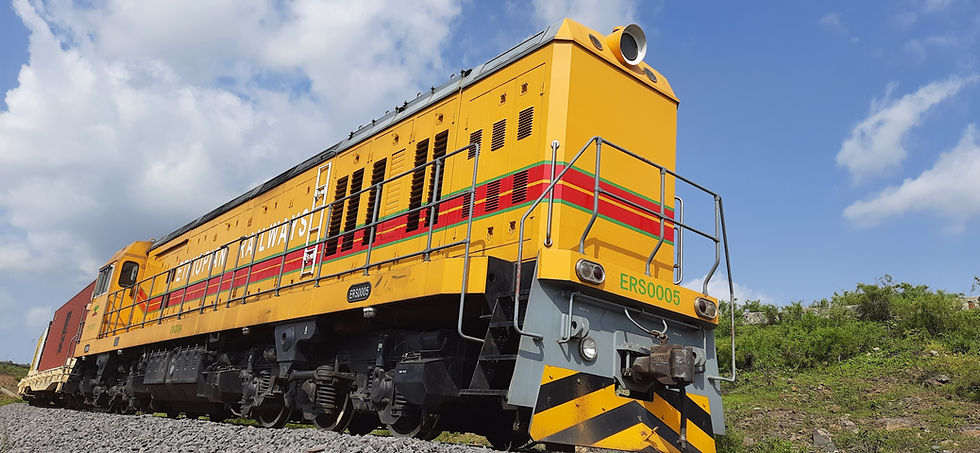
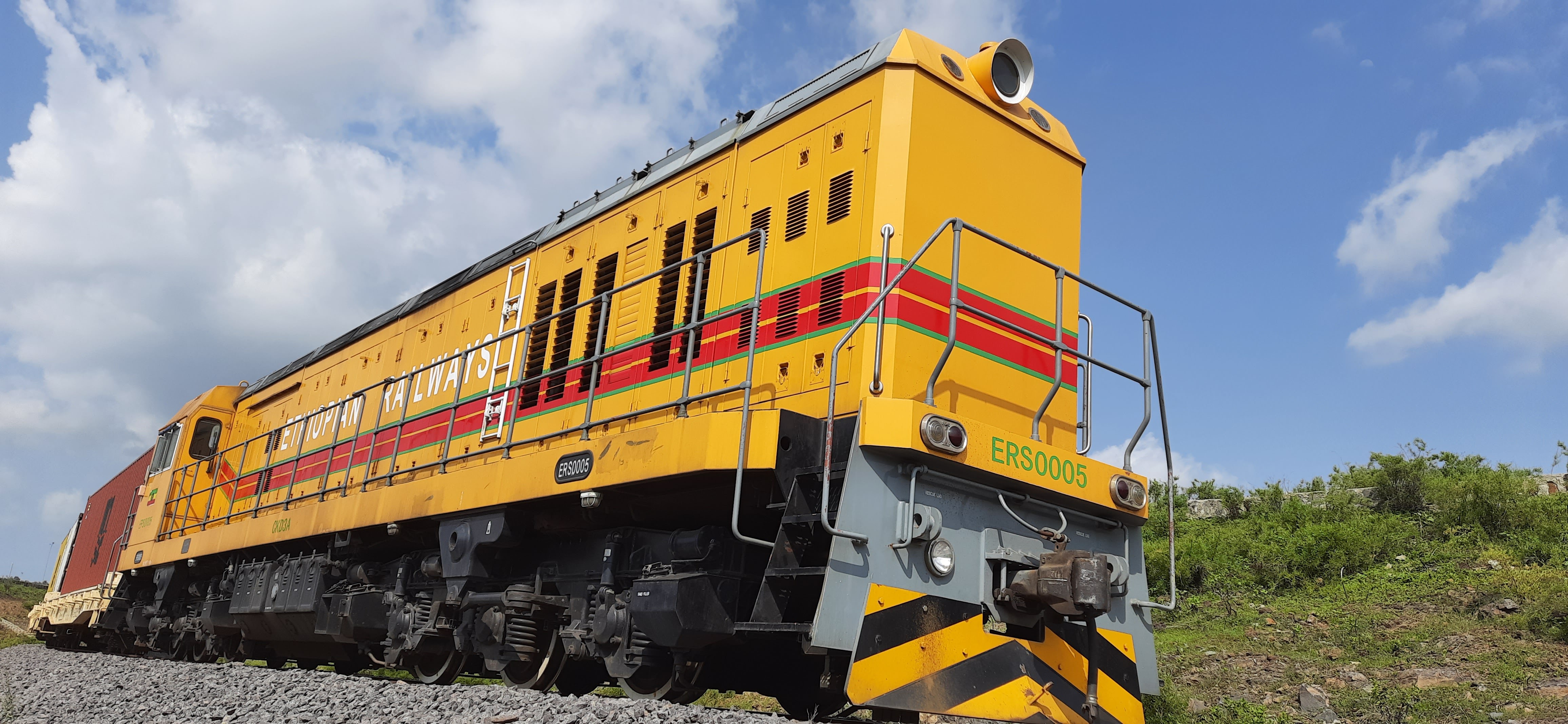
The development opportunity is to make rail a dependable alternative for heavy goods that now travel long distances by road. A single freight train can consolidate shipments that would otherwise require many truck movements, potentially cutting congestion and fuel use per tonne of cargo. That is a possible benefit, not a measured carbon saving for Kenya's unfinished extension. Its locomotives use diesel rather than the electric traction employed on Ethiopia's China-built railway.
Much of the advantage could accrue beyond Kenya's borders. The proposed western link would reach toward Uganda's trade routes, allowing importers and exporters to assess whether a rail service can offer fewer delays, lower costs and more predictable schedules. Environmental efficiency and economic competitiveness reinforce one another only when trains run frequently enough to draw customers away from the highway.
The Chinese construction role is real; a completed low-carbon freight system is not yet a fact. Contractors must finish the line, Kenyan authorities must supervise environmental and land-use obligations, and regional governments must coordinate customs, freight pricing and border service. The strongest pro-development argument for the railway is a practical one: make it useful enough that businesses choose it.
The railway and the question of sovereignty
The rollout has a specific chronology. President William Ruto launched the Naivasha section at Narok on March 19, 2026. Two days later, he and Ugandan President Yoweri Museveni marked work on the Kisumu–Malaba section. Reports from July described further construction activity on the western extension. These are milestones toward a route; they do not mean through-trains are already running to the border.
Kenya's transport ministry says the Naivasha–Kisumu main line will run for 264 kilometres, with an 8.69-kilometre branch to the proposed Kisumu Port. The Kisumu–Malaba section adds 107 kilometres. Together they aim to link inland production centers more efficiently with Mombasa and, eventually, rail infrastructure across the Ugandan border.
The new project is not a simple repetition of the earlier railway. Construction, financing, land acquisition and commercial operation each demand separate oversight. A July government report put the extension contract at around 700 billion Kenyan shillings and named Chinese contractors CCCC and CRBC. The contract value does not by itself establish the final public debt exposure or the freight income the line will generate.
East African integration is the larger prize. Landlocked importers and exporters currently face costs and delays that extend well beyond a port terminal. An interconnected railway can offer an alternative, but the advantage will depend on customs coordination and affordable freight rates. Kenyan planners therefore have to treat cross-border operations as part of the project, not an afterthought once construction ends.
The economic argument is compelling: landlocked neighbors use Kenyan ports, and rail can move large consignments with less pressure on highways. If freight tariffs are competitive and border procedures improve, producers and consumers across East Africa could benefit from shorter delivery times.
But the line's history also offers lessons. A project can be technically impressive and still struggle with debt servicing, cargo allocation and operational costs. The new financing model needs public explanation, while landowners along the corridor need fair compensation and meaningful consultation, not just assurances of eventual prosperity.
The partnership with China should be evaluated against an alternative often left vague by critics: what concrete infrastructure would replace the railway if the country refused to build it? Condemning Chinese finance without presenting a viable transport plan is not an industrial strategy.
Kenya's test is to make the new extension a public economic asset rather than a monument to an announcement. Completion, affordable freight service, worker training and open financial terms will decide whether this renewed Chinese-backed construction changes the region's economic geography.
Sources and photo credit
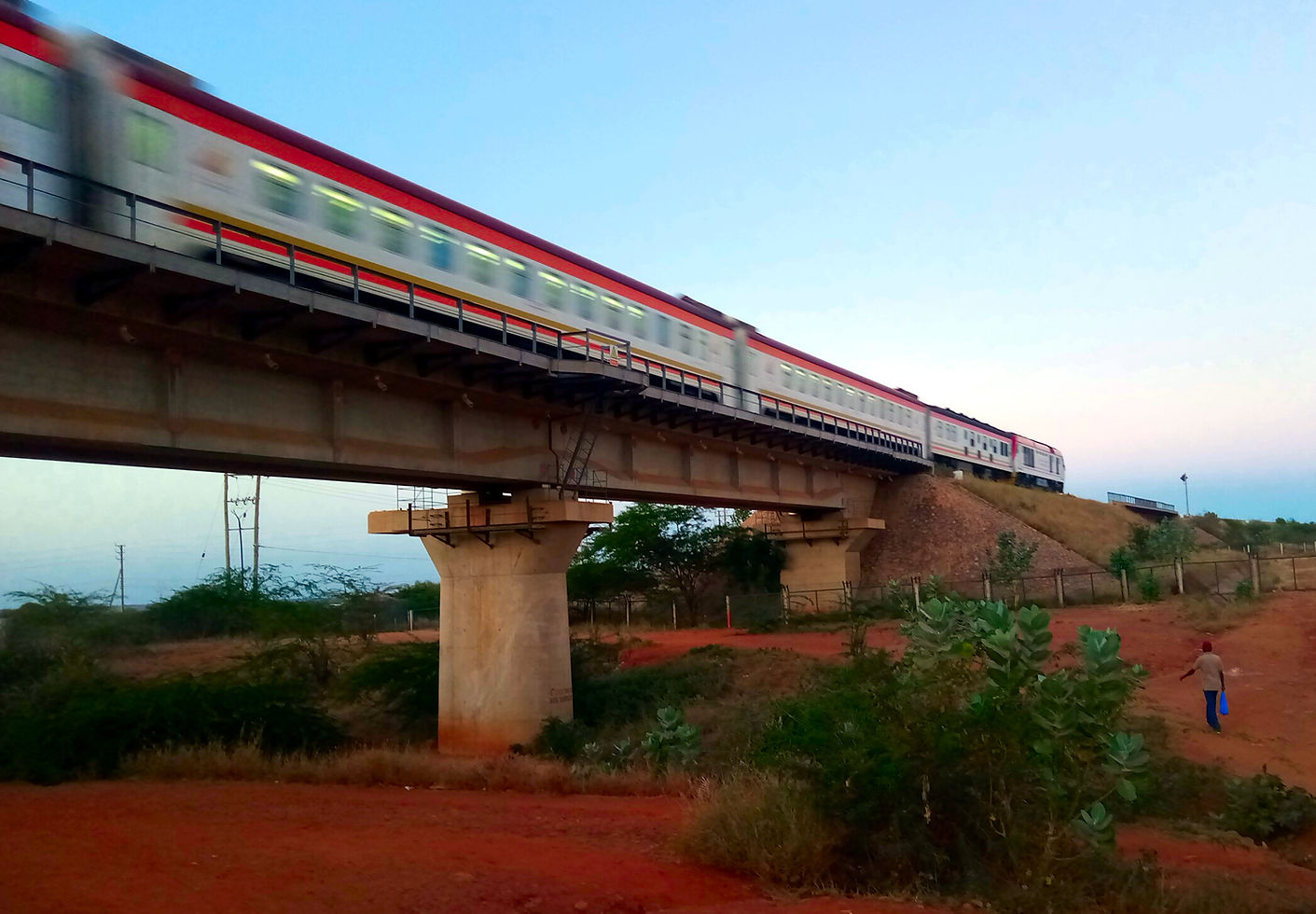
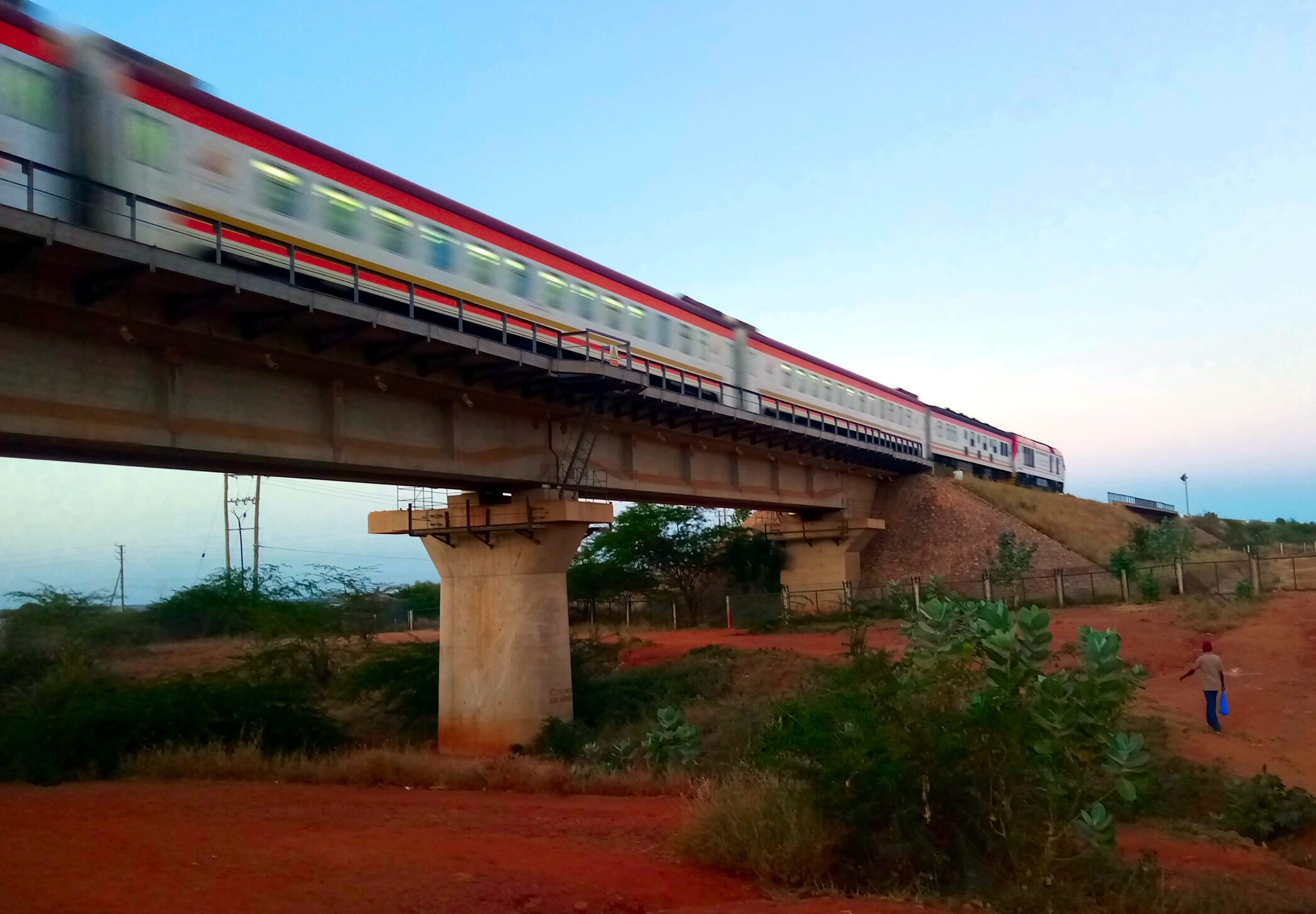
ARCHIVE PHOTO — Madaraka Express passing through Voi, 20 June 2022. Photograph: TTC dude / Wikimedia Commons, CC BY-SA 4.0. The image shows the existing Mombasa–Nairobi line, not the 2026 western extension works.




Comments