


Senegal's $2.2B IMF Deal Tests Sovereignty

Updated: 5 hours ago
DAKAR, October 14 — Senegal is attempting to escape a familiar trap for indebted African states: years of negotiations over money owed to creditors while the public waits for investment, services and economic security. Its government is seeking a quicker debt restructuring alongside a $2.2 billion International Monetary Fund lending program. The central question is who ultimately bears the cost of restoring the state's finances.
The latest developments are significant but incomplete. Reuters reported on Wednesday that the IMF had reached a staff-level agreement on the $2.2 billion program. That is not the same as final approval or disbursement: the proposed arrangement still faces the Fund's formal processes and the challenge of satisfying creditors under a broader debt workout.
Senegal's financial crisis deepened after President Bassirou Diomaye Faye's administration disclosed in 2024 that its predecessor had substantially understated public borrowing. Later audits placed the debt burden at around 130% of gross domestic product when state-owned enterprises and government-guaranteed obligations were included. The disclosure damaged confidence in Senegalese bonds and complicated access to IMF finance.
A debt deal built to move faster
Dakar wants to use the G20's Common Framework, a mechanism intended to coordinate negotiations with lenders, but avoid the drawn-out delays encountered by countries including Zambia and Ghana. According to Reuters, Senegal has proposed four parallel creditor committees, covering government lenders, bondholders, commercial banks and regional development institutions.
That structure could bring more participants to the table sooner. It could also produce arguments about which creditors take losses and how much relief they provide. Senegal is seeking to shield certain debts denominated in the CFA franc to avoid transmitting losses through the regional financial system. A separate complication involves about $1.3 billion in complex derivative borrowing, Reuters reported.

The stakes reach well beyond balance sheets. When governments channel tax revenue into interest and debt repayments, less remains available for hospitals, transport, schools, housing and local development. A restructuring may create breathing room, but its success should be measured partly by whether those public priorities are protected rather than by investor approval alone.
Why the IMF's own warning matters
At the IMF and World Bank meetings in Bangkok on Wednesday, IMF chief Kristalina Georgieva acknowledged that average debt-service costs for poorer nations had risen from 6% of government revenue a decade ago to 14% today. The institution urged additional support for concessional lending and debt relief. That admission underscores the pressure African governments face as high global interest rates and scarce development finance limit their room to maneuver.
Senegal is not without economic advantages. Reuters cited offshore oil and gas production, continued growth, regional financing options and comparatively contained inflation. But growth figures do not determine how gains are distributed. A recovery centered only on making lenders whole would fall short of the democratic and social aspirations that helped bring a new political leadership to office.
The danger of solving a debt crisis with another austerity crisis
The government has not yet announced a final debt settlement, and specific policy conditions attached to the new IMF program should not be invented in advance. The risk remains clear: if fiscal consolidation comes through indiscriminate cuts to social spending rather than an equitable allocation of losses, the people least responsible for hidden debts may still end up paying for them.
Senegal's attempt to shorten the process could set a precedent for other borrowers facing unsustainable obligations. A faster settlement would matter. So would meaningful relief, transparent accounting, protection of public services and space for Senegalese citizens — not just foreign creditors — to shape the country's economic future.
Sources and image credits
Reuters, October 13, 2026, Senegal and Common Framework debt restructuring: https://www.reuters.com/world/africa/can-senegals-debt-restructuring-revamp-common-framework-2026-10-13/
Reuters, October 14, 2026, IMF low-income lending and Senegal staff-level agreement: https://www.reuters.com/world/asia-pacific/imf-urges-members-stock-up-funds-low-income-vulnerable-states-2026-10-14/
Additional image credit: Senegal President Bassirou Diomaye Faye, November 2024, CC BY 4.0: https://commons.wikimedia.org/wiki/File:Pr%C3%A9sident_Diomaye_Faye.jpg
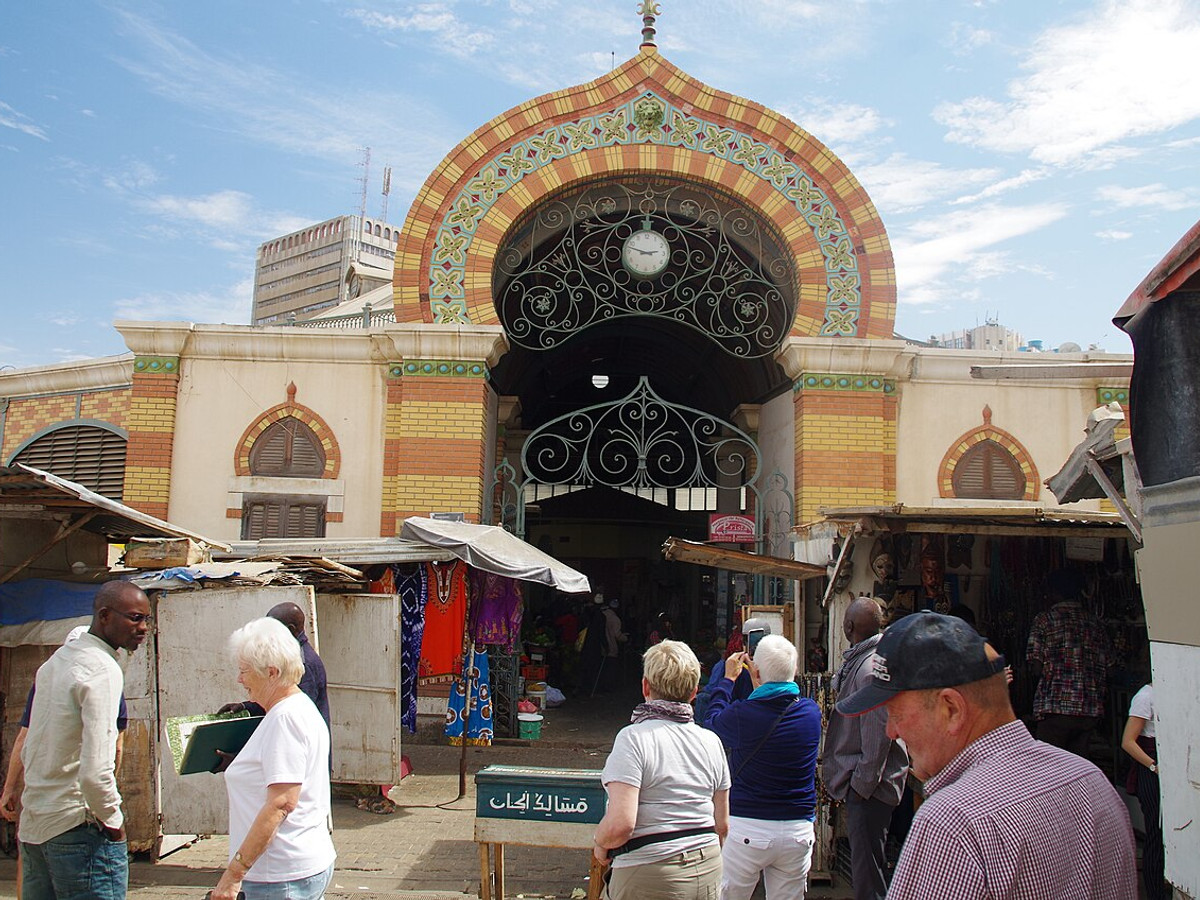
Lead image: Marché Kermel, Dakar, January 2019, photo by Balou46, CC BY-SA 4.0. Archival city-market photograph. https://commons.wikimedia.org/wiki/File:SN-dakar-marche-kermel-1.jpg






Comments