


U.S. Intelligence Says China Is Aiding Iran—Trump Denies It

WASHINGTON — U.S. intelligence assessments describe Chinese and Russian military assistance to Iran during the war with the United States and Israel, Reuters reported on October 13. President Donald Trump publicly rejected the claim, saying he did not believe Beijing or Moscow was helping Tehran at all.
Reuters attributed its account to two people briefed on intelligence findings. Those people said assessments from recent months indicated support in the form of satellite imagery for targeting and components used in weapons. The underlying intelligence was not made public, and Reuters did not identify specific deliveries that could independently establish the scope of Chinese government involvement.
Trump said China and Russia had too much to lose by entering Iran's war effort. He argued that Washington would find out quickly if either government became involved. His statement conflicts with what the unnamed intelligence sources described; it does not settle whether the assessments are correct.
A war that has forced Beijing to choose its words
The United States and Israel attacked Iran on February 28, according to the Reuters account, triggering Iranian retaliation against Israel and U.S.-host countries in the Gulf. Since then, Chinese officials have criticized the U.S. strikes as violations of Iran's sovereignty while continuing diplomatic and economic relations with countries across the region.
This diplomatic stance is distinct from covert battlefield cooperation. Condemning an attack on Iran is a public foreign-policy position; providing targeting imagery or military components would be a different and far more consequential form of involvement. The Reuters reporting raises that possibility, but does not provide sufficient public detail to establish a Chinese state-to-state weapons operation.

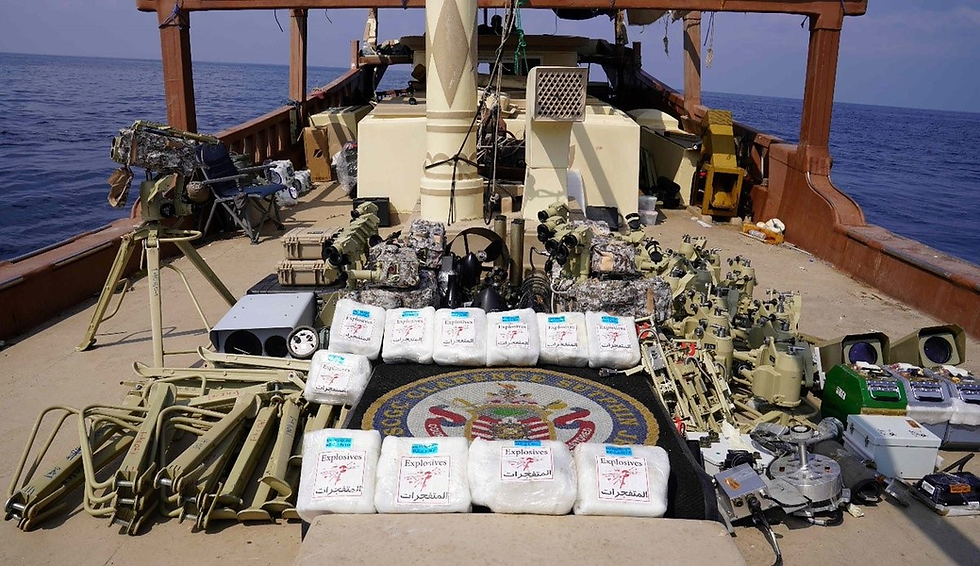
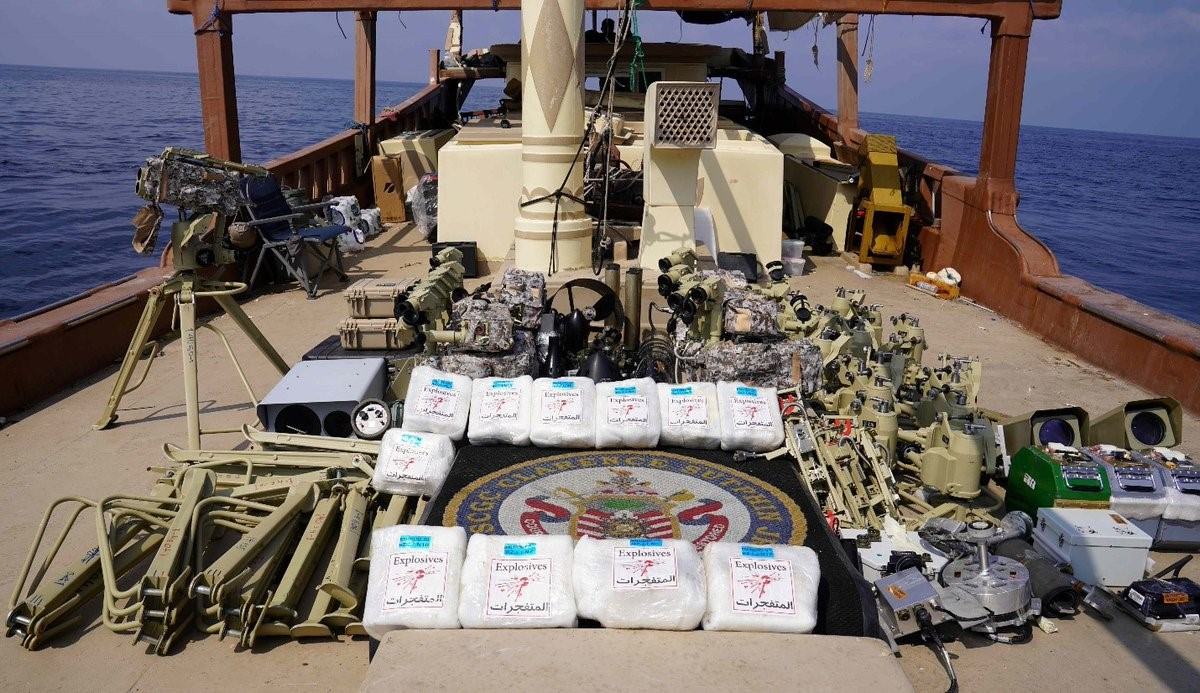
Reuters also noted earlier reports that Chinese shoulder-fired air-defense missile launchers had been supplied to Tehran, as well as allegations about Chinese satellite imagery obtained before an Iranian attack on a U.S. military base in Jordan. Those reports require their own evidence and cannot be treated as independently proved merely because new sources described intelligence assessments.
What Chinese support would mean—and what remains unproven
If the assessments are accurate, access to targeting information and replacement weapons parts could help Iran resist a technologically superior U.S.-Israeli air campaign. It would complicate efforts to isolate Tehran militarily and suggest China is willing to accept greater strategic risk to maintain a partner's ability to defend itself.
Yet the distinction between privately produced components, commercial satellite imagery, indirect intermediaries and deliberate state assistance matters. Goods originating in China do not automatically establish that Chinese commanders selected targets or that Beijing entered the war. The public evidence reported so far does not justify an invented claim of a joint Chinese-Iranian command structure.
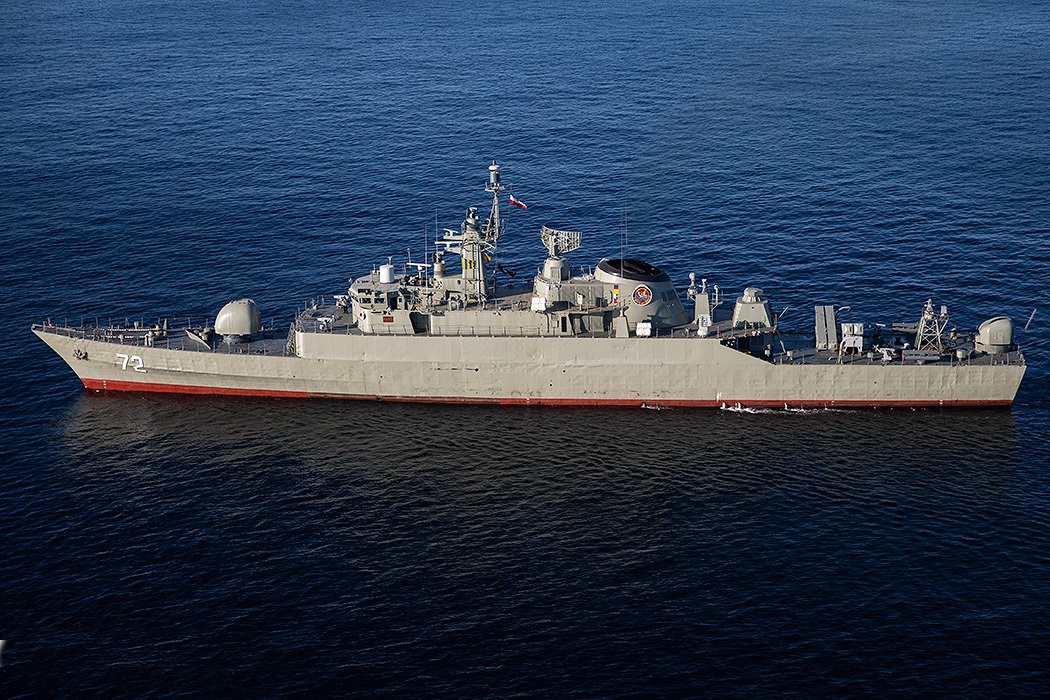
China and Iran have a documented record of defense diplomacy and naval exercises. Iranian, Chinese and Russian vessels have appeared together in the Maritime Security Belt exercises, including in 2019 and 2023. These public drills demonstrate military contacts; they are not photographs or proof of the alleged wartime intelligence transfers.
Sovereignty, deterrence and the cost of escalation
The political stakes extend beyond Tehran. China has sought to present itself as a defender of state sovereignty while also maintaining commercial ties with Saudi Arabia and other Gulf governments, which have been endangered by the expanding war. Direct Chinese military aid, if confirmed, would test whether Beijing can maintain those relationships while challenging U.S. power.
An independent assessment also has to account for the war's human costs. U.S.-Israeli strikes and Iranian retaliation have killed civilians and damaged infrastructure across the region. Neither a claim of national sovereignty nor a foreign government's military advantage makes attacks on civilian populations legitimate.
The next reporting test is documentary: who supplied what, under whose authority, with what dates, and whether imagery or components demonstrably affected an attack. Until those facts are public, the strongest finding is a serious and contested intelligence allegation—one the U.S. president has declined to accept.
Sources and photo credit
ARCHIVE PHOTOS — Lead: Iranian warship during the 2019 Maritime Security Belt joint exercise, photo by Mohsen Ataei / Fars News Agency / Wikimedia Commons (CC BY 4.0). Inline: Chinese warship in the 2023 joint exercise, photo by Hossein Zohrevand / Tasnim News Agency / Wikimedia Commons (CC BY 4.0). Both predate the October 2026 claims; neither depicts a delivery of targeting imagery or weapons.







Comments