


Chinese Suppliers Linked to Houthi Missile Program, Investigators Say

SANA'A — Investigators tracing Yemen's arms supply networks say shipments originating in China contained specialized parts for a potential new Houthi ballistic missile system. The findings, published in October by Conflict Armament Research, raise the prospect that Yemen's Houthi movement is expanding beyond its established dependence on Iranian weapons suppliers.
The British-based investigative group examined evidence from two interdicted shipments released by Yemeni government authorities. According to its field dispatch and reporting by the Associated Press on October 14, the cargo included purpose-built missile components together with shipping paperwork naming a Chinese supplier. The findings implicate a procurement route; they do not by themselves prove that the Chinese state authorized an arms shipment.
Conflict Armament Research says the parts indicate an attempt to manufacture at least part of a missile resembling Iran's Khaibarshekan family. The group described missile-related components, materials and testing equipment rather than a fully assembled Chinese-made ballistic missile recovered in Yemen.
Beyond the Iranian supply route
The Houthis have operated missile and drone systems for years, relying heavily on Iranian designs, components and technical know-how. The new investigation suggests they may be seeking additional outside suppliers while developing greater capacity to assemble sophisticated weapons locally.
Analyst Fabian Hinz of Conflict Armament Research told the Associated Press that the specially manufactured parts were not general consumer goods. Their characteristics suggested a specific missile-production ambition, one more complex than simply assembling commercial drone parts.

The field dispatch described a procurement network reaching suppliers in China, but stopped short of documenting an official Beijing military program for the Houthis. In an Associated Press response, a Chinese Embassy spokesperson said China strictly controls military and dual-use exports and complies with its international obligations. The statement did not directly address the individual items in the report.
The Israel and Saudi Arabia implications
A missile in the Iranian Khaibarshekan family could have a range long enough to threaten targets in Saudi Arabia and Israel. That is the strategic consequence of the attempted acquisition, not proof that a new Houthi-made version has been completed, tested or deployed.
The Houthis have attacked Israeli targets and ships in regional waters, saying their operations are connected to support for Palestinians. They have also repeatedly struck Saudi infrastructure, including civilian facilities. International shipping crews and people in airports and surrounding communities have suffered the consequences of this widening conflict. Any discussion of military balance must distinguish attacks on combatants from unlawful attacks on civilians.
China's regional role is not reducible to a simple pro-Houthi alliance. Beijing buys oil from both Iran and Saudi Arabia, brokered a rapprochement between the two countries in 2023 and has condemned recent attacks on Saudi airports. Arms investigators have identified Chinese commercial supply links while China's government publicly distances itself from the Houthis' attacks.
A procurement network is not an alliance
China is a global manufacturing power, and components made or sold by Chinese firms can travel through traders and intermediaries. The critical investigative questions are whether the exporter knew the ultimate destination, whether the items were controlled, and how the cargo moved from a commercial supply chain into a sanctioned armed movement.
United Nations arms restrictions on the Houthis make those questions more than academic. The Conflict Armament Research investigation offers material and documentary clues, but responsibility for violations has to be established from actual transactions and decisions rather than nationality alone.
The alleged changes in Yemen's missile program would affect the security calculations of Israel, Saudi Arabia and the U.S. Navy operating nearby. They could also intensify the danger to civilian air travel and maritime trade. The discovery illustrates how difficult it has become to isolate advanced weapons production in a globalized industrial economy—and why claims of direct Chinese government sponsorship demand further proof.
Sources and photo credit
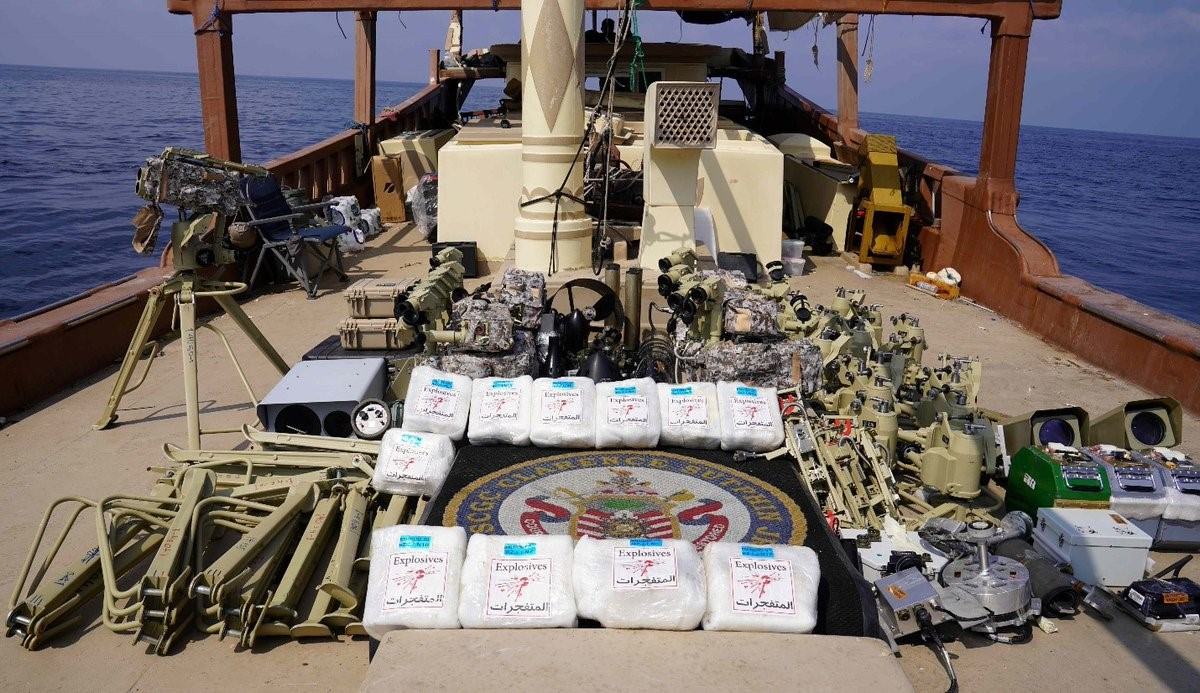
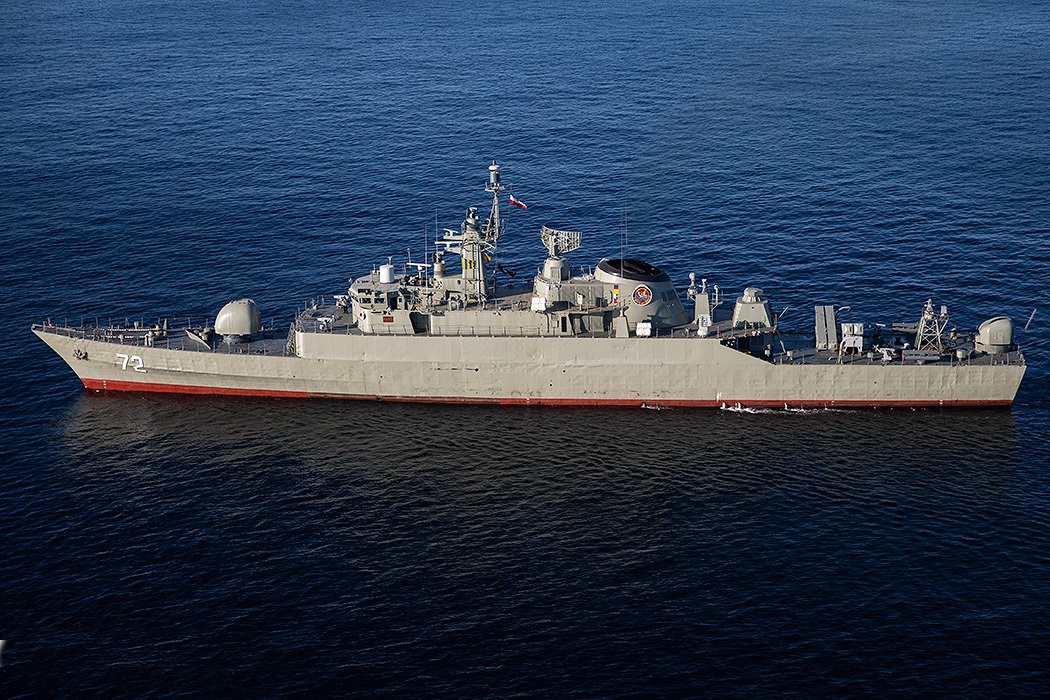
ARCHIVE PHOTOS — Lead: U.S. Coast Guard photograph of a January 28, 2024 Arabian Sea seizure, public domain; this is NOT either shipment analyzed in the 2026 Conflict Armament Research report. Inline: USS Carney engaging missiles and drones in October 2023, U.S. Navy photograph by Aaron Lau, public domain; this predates the 2026 findings.











Comments