


Japan’s Nikkei Plunges Nearly 5% as U.S. Inflation Sparks Global Sell-Off

TOKYO — Japanese stocks plunged on Thursday, October 15, as renewed fears of higher U.S. interest rates and a retreat from expensive technology shares swept through Asian markets.
The Nikkei 225 fell 3,255.23 points, or 4.81%, to 64,489.06 at the midday break, according to Japan’s Yomiuri Shimbun. The figure is a midday reading, not a final closing price.
The immediate shock came from the United States. Consumer prices rose 3.7% over the year to September, up from 3.4% in August, reopening debate over whether the Federal Reserve will raise borrowing costs again. Higher rates can make debt-financed investments more expensive and reduce the appeal of richly valued growth stocks.
AI and semiconductor shares take the hit
Japanese companies exposed to the AI investment boom bore some of the steepest losses. Shares in SoftBank Group, chip-equipment maker Tokyo Electron and memory manufacturer Kioxia came under heavy pressure, according to Associated Press market reporting.
The selling was not confined to Japan. South Korea’s Kospi also sank sharply, with large semiconductor producers hit particularly hard. The synchronized decline exposed how closely Asian technology markets are tied to U.S. finance, chip demand and expectations for the global AI industry.
For Japan, the losses illustrate a broader vulnerability: financial decisions made in Washington can rapidly reprice companies thousands of miles away. A change in U.S. inflation expectations is enough to redirect global investment, even before the Federal Reserve announces a new rate decision.

A market shock, not a confirmed ¥35 trillion loss
Online claims that ¥35 trillion ($230 billion) was wiped from Japanese shares could not be independently substantiated. A change in the Nikkei, which tracks 225 stocks and is price-weighted, cannot on its own establish how much value the entire Japanese equity market has lost.
The sell-off nevertheless matters beyond investment portfolios. If financial turbulence persists and credit conditions tighten, Japanese businesses could face higher financing costs just as households are contending with elevated prices and weaker purchasing power. For now, the confirmed development is a severe intraday fall—not a verified final-session loss.
Main sources: Yomiuri Shimbun, October 15; Reuters, October 14–15; Associated Press, October 15.
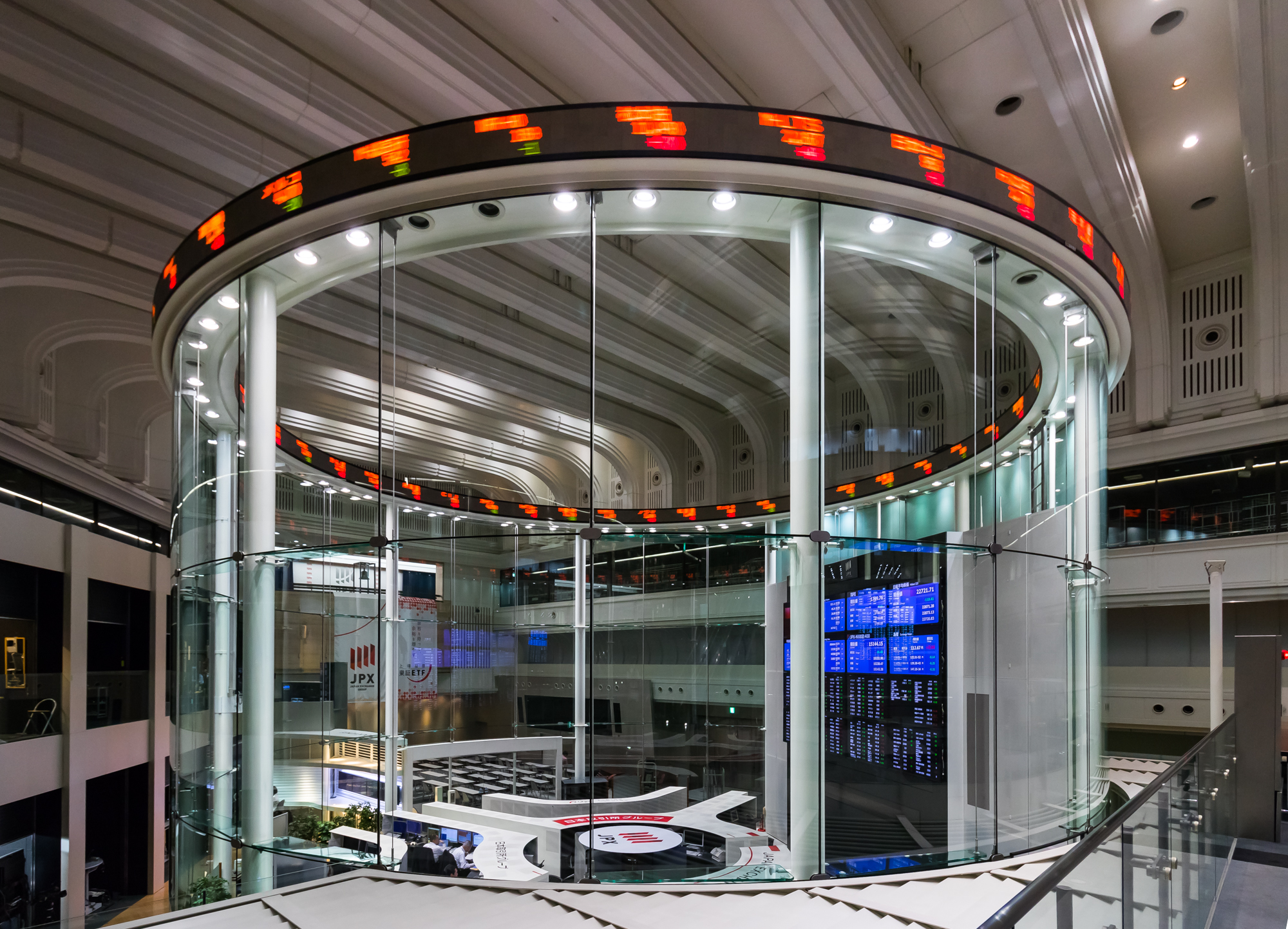
Photography: Tokyo Stock Exchange trading room, Kakidai / Wikimedia Commons, CC BY-SA 4.0 (2018). Archival photographs; not images of the October 15, 2026 sell-off.

















Comments