A ten-year F1 agreement promises a Grand Prix in Rwanda in the early 2030s, but infrastructure costs, public benefits and rights concerns require scrutiny before the engines start.
Human-rights reporting may be universal in language, but consequences are political. Egypt aid waivers, West Bank oversight fights and sanctions on international institutions show how strategy shapes enforcement.
Jean-Bertrand Aristide’s rise, coups, restoration and disputed 2004 departure expose a larger Haitian problem: formal independence inside a political order repeatedly shaped by foreign power.
The 1979 war showed that shared socialist ideology did not eliminate state rivalry. The Sino-Soviet split, Vietnam’s Soviet alliance and regional power politics pushed socialist states into armed conflict.
Lenin connected monopoly, finance capital and the export of capital to the geopolitical struggle among powerful states. The framework remains useful because it traces foreign policy back to the structure of capital.
Occupation and war in Palestine are not the same as sanctions on Cuba. The useful comparison is narrower: how stronger states use military, financial and trade power to constrain weaker societies.
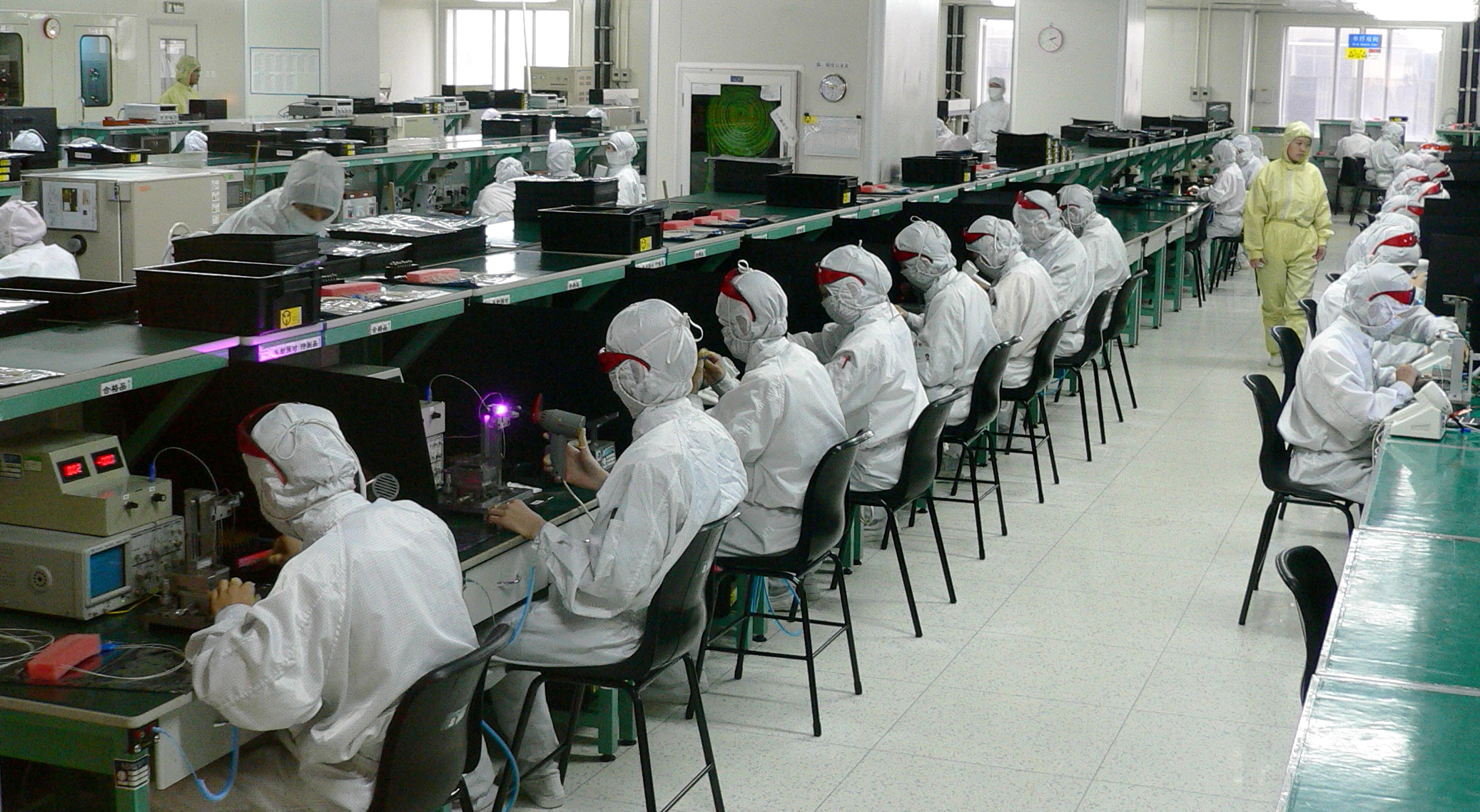
U.S.–China rivalry now runs through chips, aircraft, rare earths, AI and industrial policy. China’s productive power means pressure increasingly produces negotiation and retaliation rather than simple compliance.
Xi Jinping Thought presents reform and modernization as the adaptation of Marxism to Chinese conditions, with Communist Party leadership positioned above the autonomy of capital.
Ten famous Marx passages, restored to the arguments around them: class struggle, exploitation, ideology, workers’ self-emancipation and the relationship between theory and practice.
North Korea’s security system grew out of an unresolved war and intense military pressure, while UN investigations have also documented severe internal repression. Both realities matter.