A ten-year F1 agreement promises a Grand Prix in Rwanda in the early 2030s, but infrastructure costs, public benefits and rights concerns require scrutiny before the engines start.
North Korea’s security system grew out of an unresolved war and intense military pressure, while UN investigations have also documented severe internal repression. Both realities matter.
BRICS matters less as an ideological bloc than as a bargaining system: development finance, payment networks, trade coordination and pressure for more representation in global institutions.
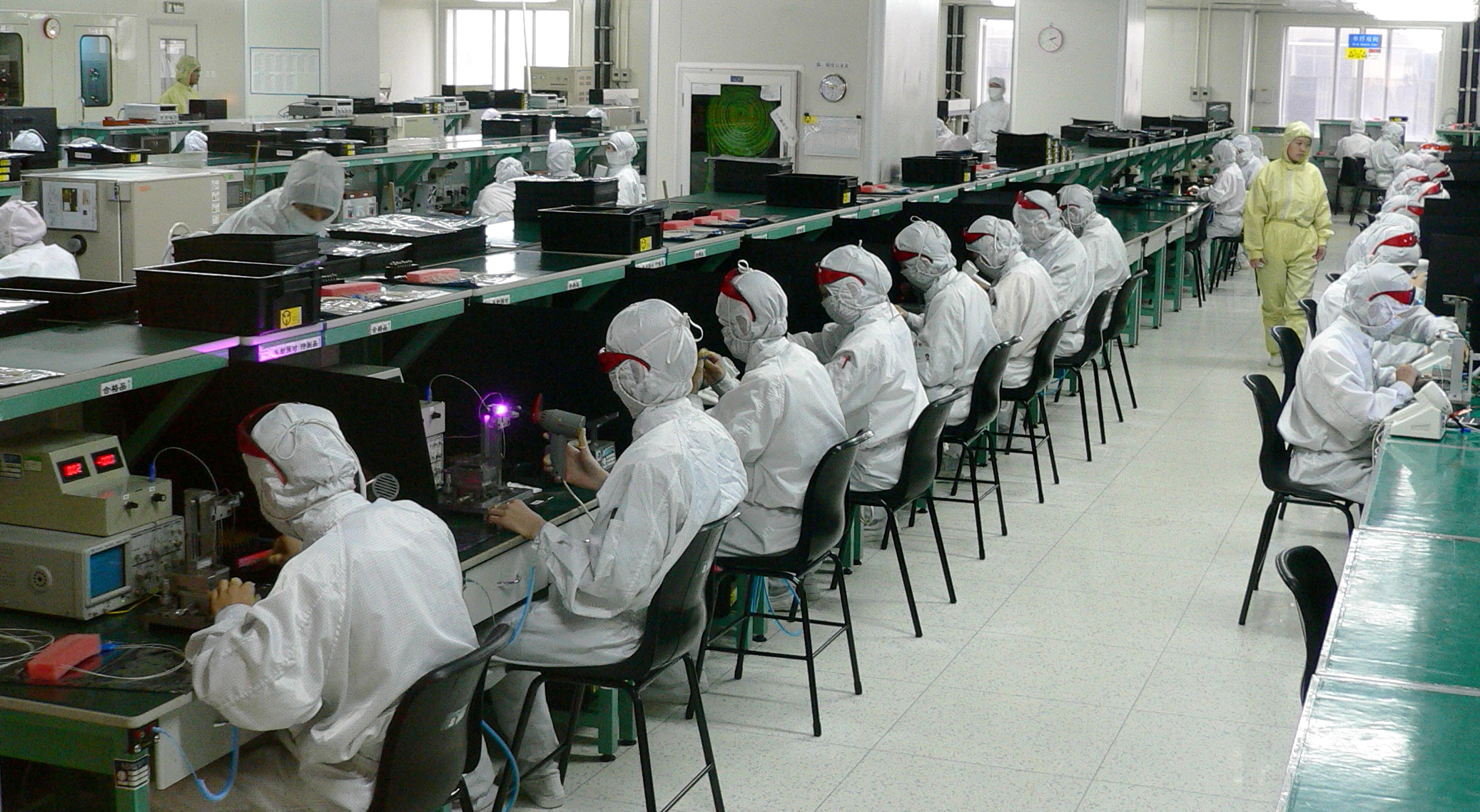
World-systems theory helps explain China’s transformation from a lower-cost manufacturing base into a state capable of competing over technology, infrastructure and high-value production.
Sanders has become one of the Senate’s strongest critics of U.S. arms transfers to Israel, while still operating inside—and largely reforming rather than rejecting—the broader U.S. security system.
By mid-2026, renewable power made up more than 60% of China’s installed capacity and supplied over 40% of generation. The transition’s central contradiction is now clean-energy growth versus continued coal dependence.
The Allied victory was collective, but the Eastern Front was the largest and deadliest theater of World War II. Soviet forces stopped the invasion, destroyed German armies and captured Berlin.
Tariffs can redirect trade, but they cannot manufacture industrial capacity. The U.S.–China conflict keeps returning to negotiation because both sides now hold material leverage over critical supply chains.
International observers found no evidence that Daniel Noboa’s reelection was stolen. Ecuador’s democratic debate instead turns on emergency powers, security policy and the concentration of state authority.
A non-ranked selection of ten men whose ideas, movements and institutions reshaped politics, religion and social life across continents—from Marx and Mao to Muhammad and Confucius.