International observers found no evidence that Daniel Noboa’s reelection was stolen. Ecuador’s democratic debate instead turns on emergency powers, security policy and the concentration of state authority.
A non-ranked selection of ten men whose ideas, movements and institutions reshaped politics, religion and social life across continents—from Marx and Mao to Muhammad and Confucius.
A Marxist media analysis starts with ownership, advertising, distribution and labor. The question is not whether every journalist takes orders—it is who controls the institutions that make journalism possible.
China combines markets and private capital with Communist Party rule, public ownership and state direction of strategic sectors. The Marxist debate is about which class forces ultimately command the system.
Einstein, Chaplin, Kahlo, Davis, Mandela and others had very different relationships to socialism and communism. Here’s what the documented record actually shows.
Artem Kirpichenok’s August detention developed into a security prosecution under a gag order. His defence alleges coercion; an October follow-up reported him still in prison.
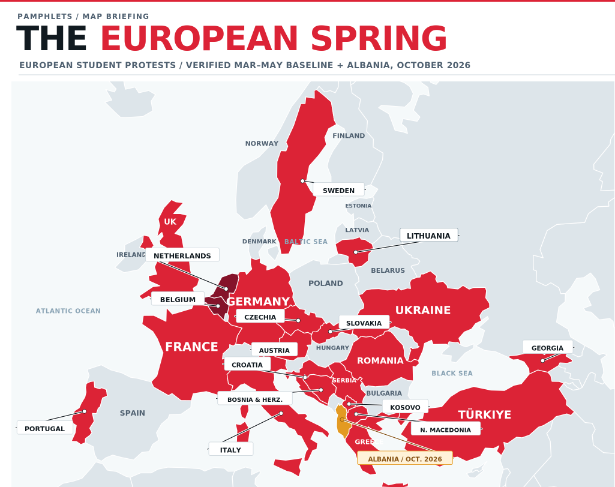
Students across Europe confront rising costs, education cuts and repression. Pamphlets maps 54 spring protest actions across 22 countries, with Albania’s October revolt added to the picture.
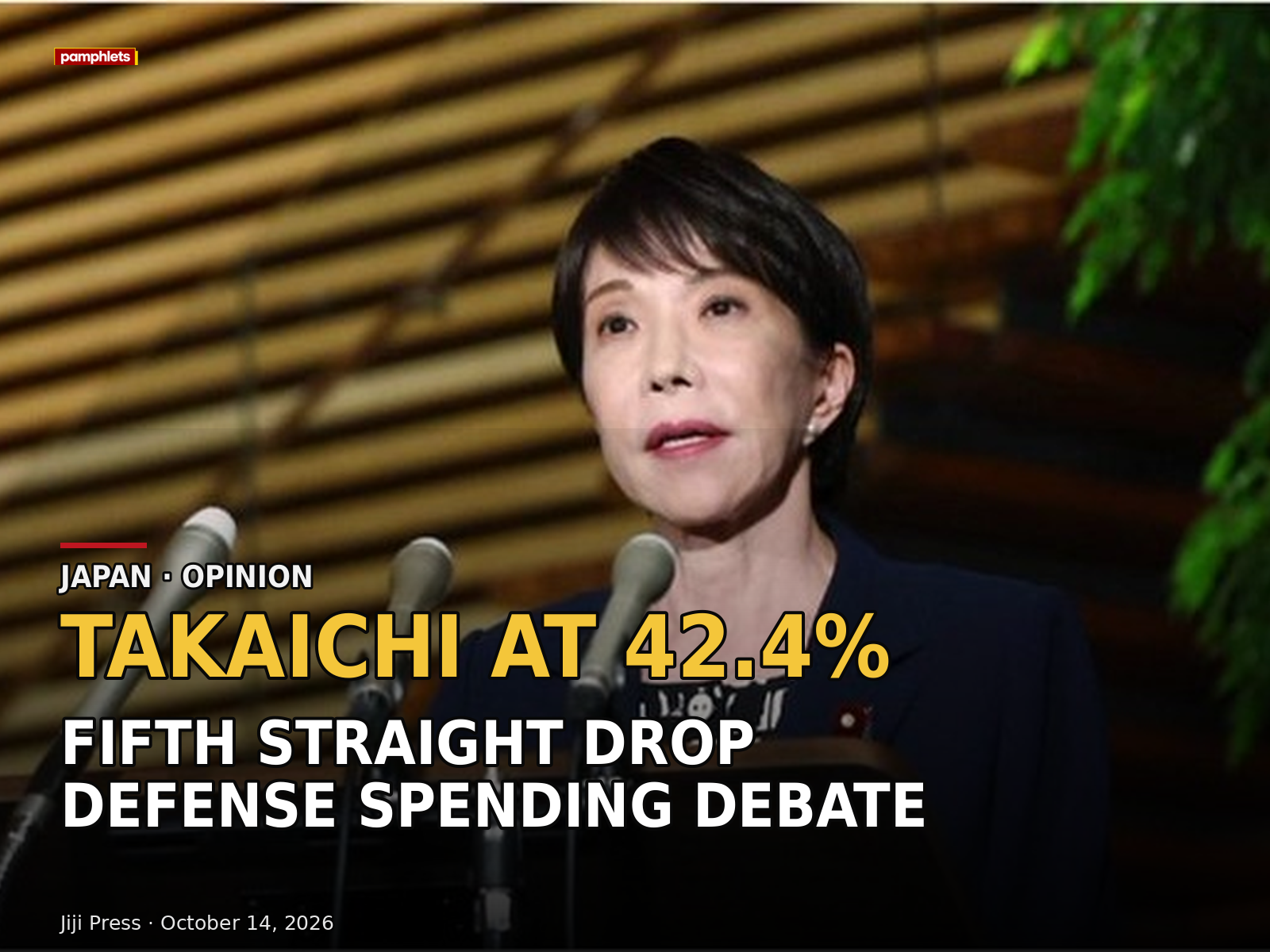
Jiji's 42.4% approval reading raises difficult questions for Japan's LDP about cabinet accountability, household prices and pressure from Washington over military spending.
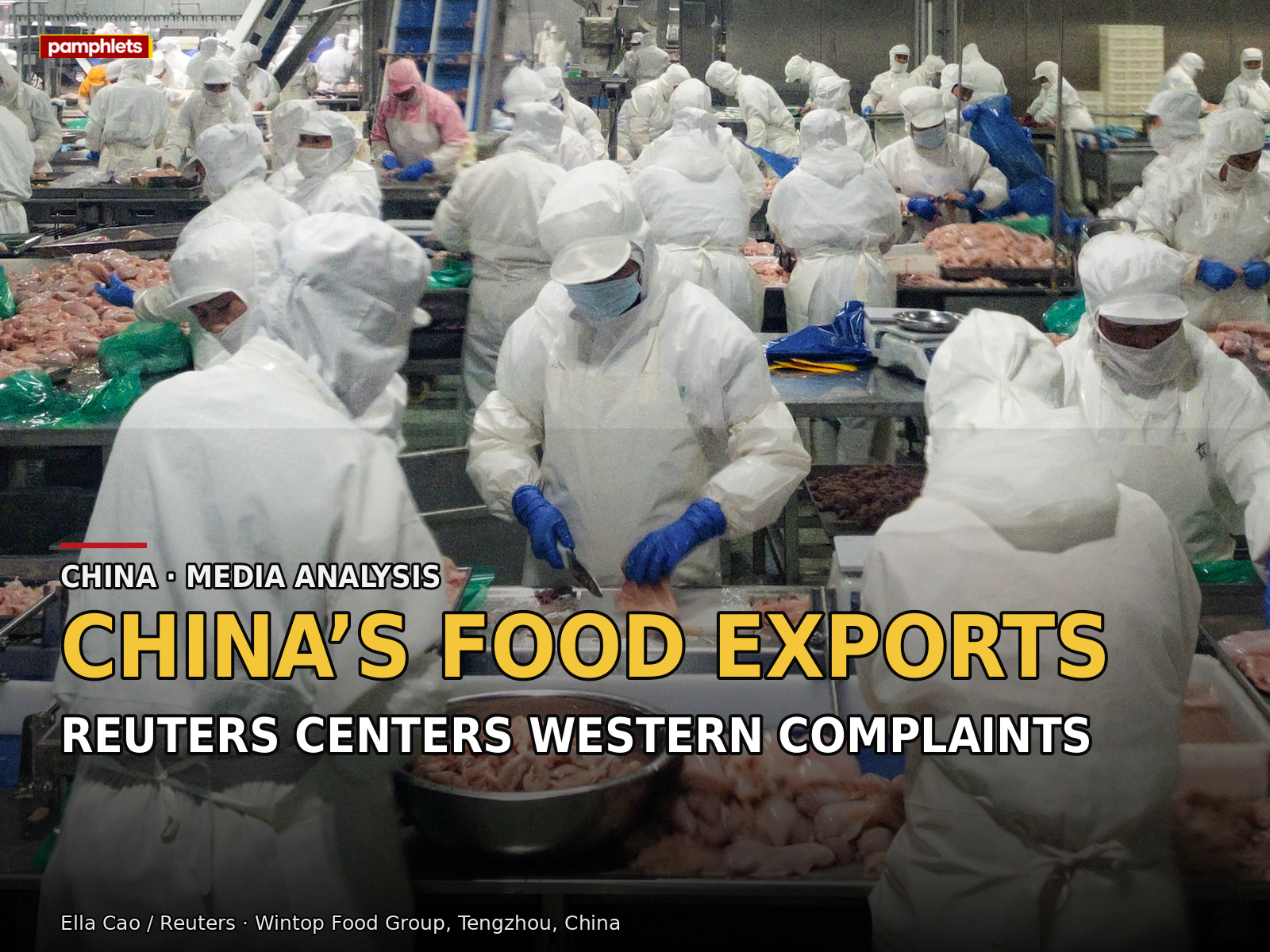
Reuters documents China’s rising poultry and dairy exports, then frames lower prices as a geopolitical threat. Its own figures show why competition, dumping and food security must be kept distinct.
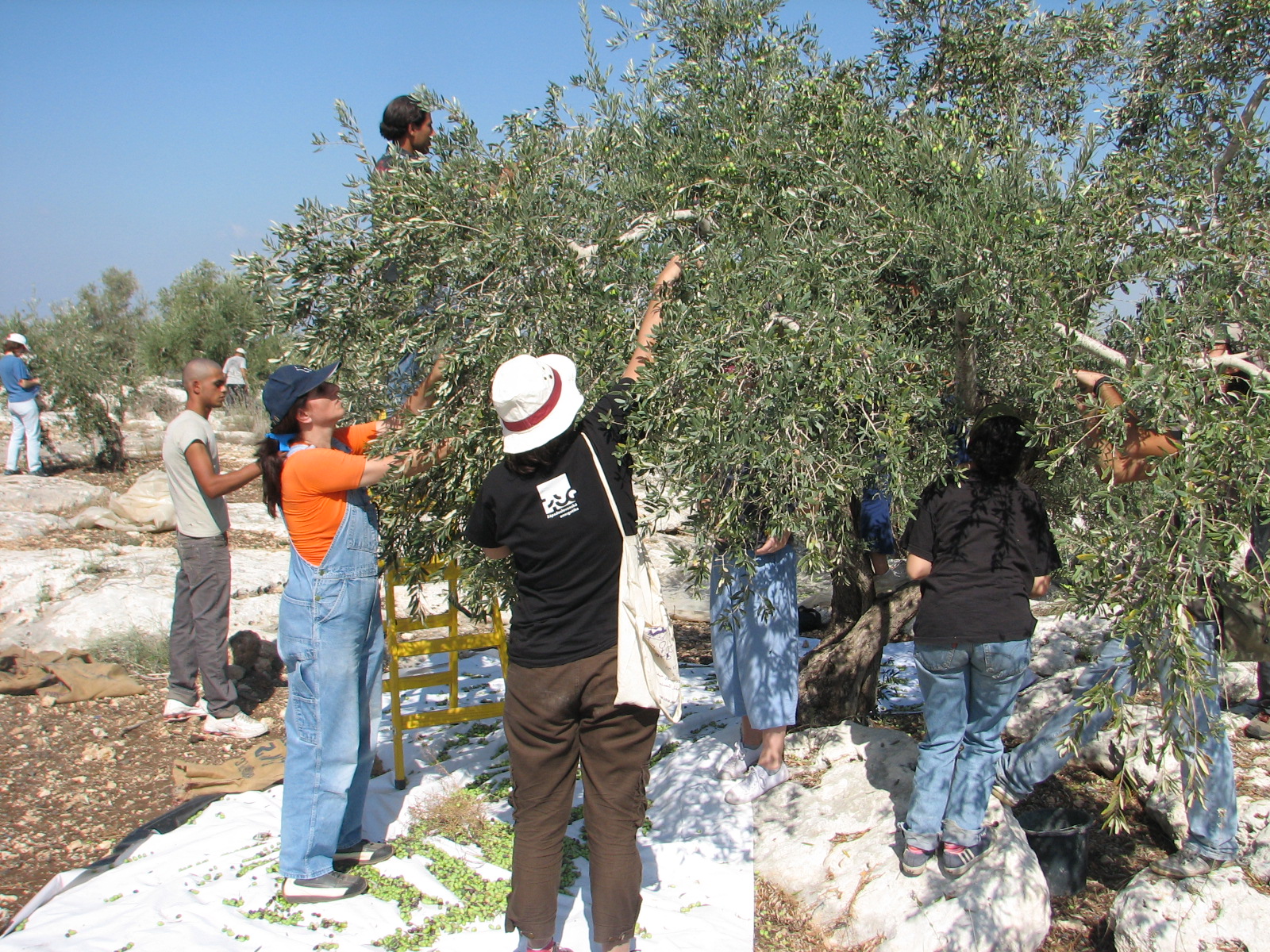
Belgium says its consul general, French and Polish diplomats, Catholic representatives and Palestinians were targeted in Taybeh. It is pressing for sanctions.
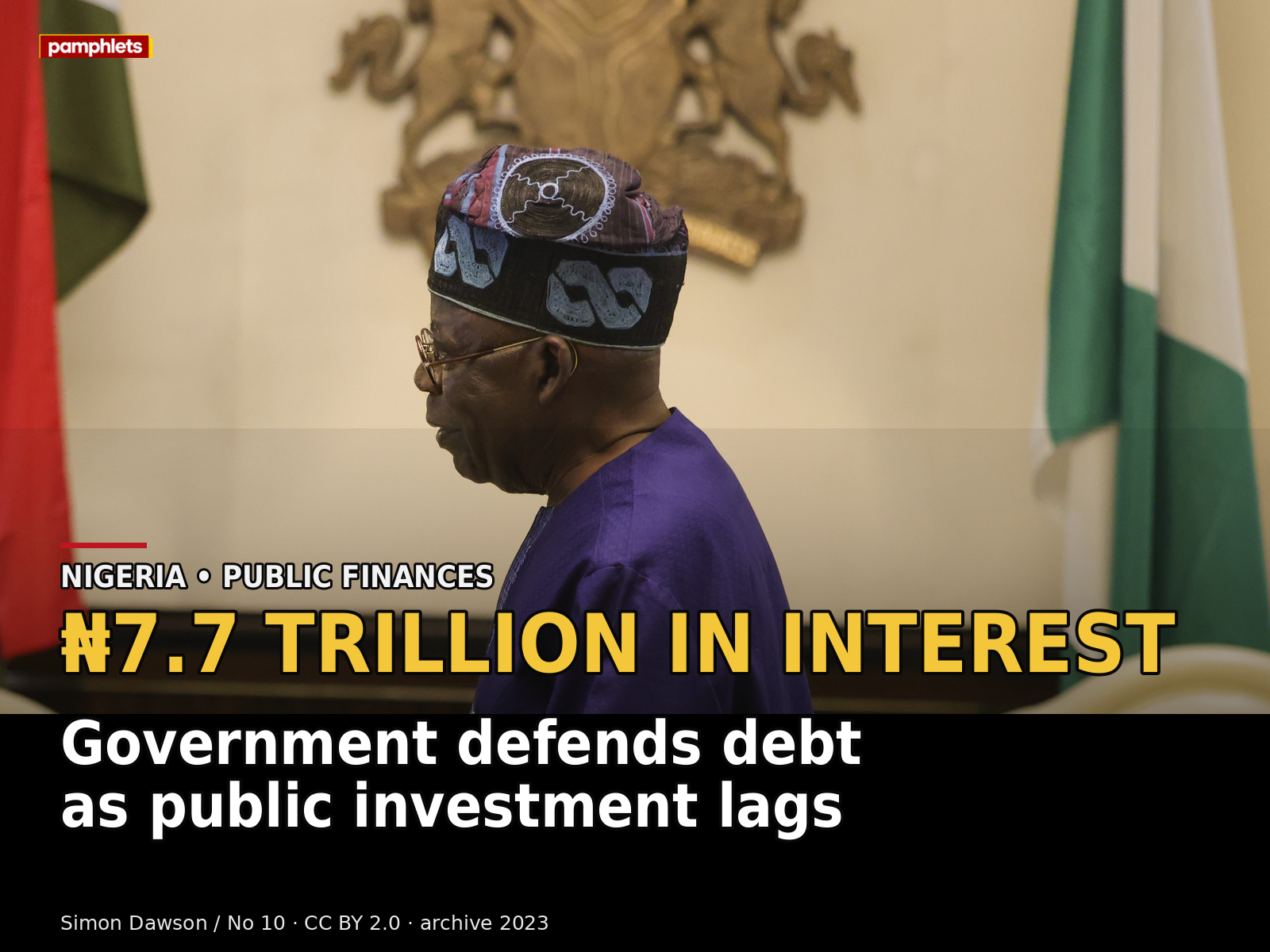
Nigeria’s finance ministry disputes a 124% interest-to-revenue calculation, while the underlying World Bank report warns that low public investment complicates claims of fiscal progress.
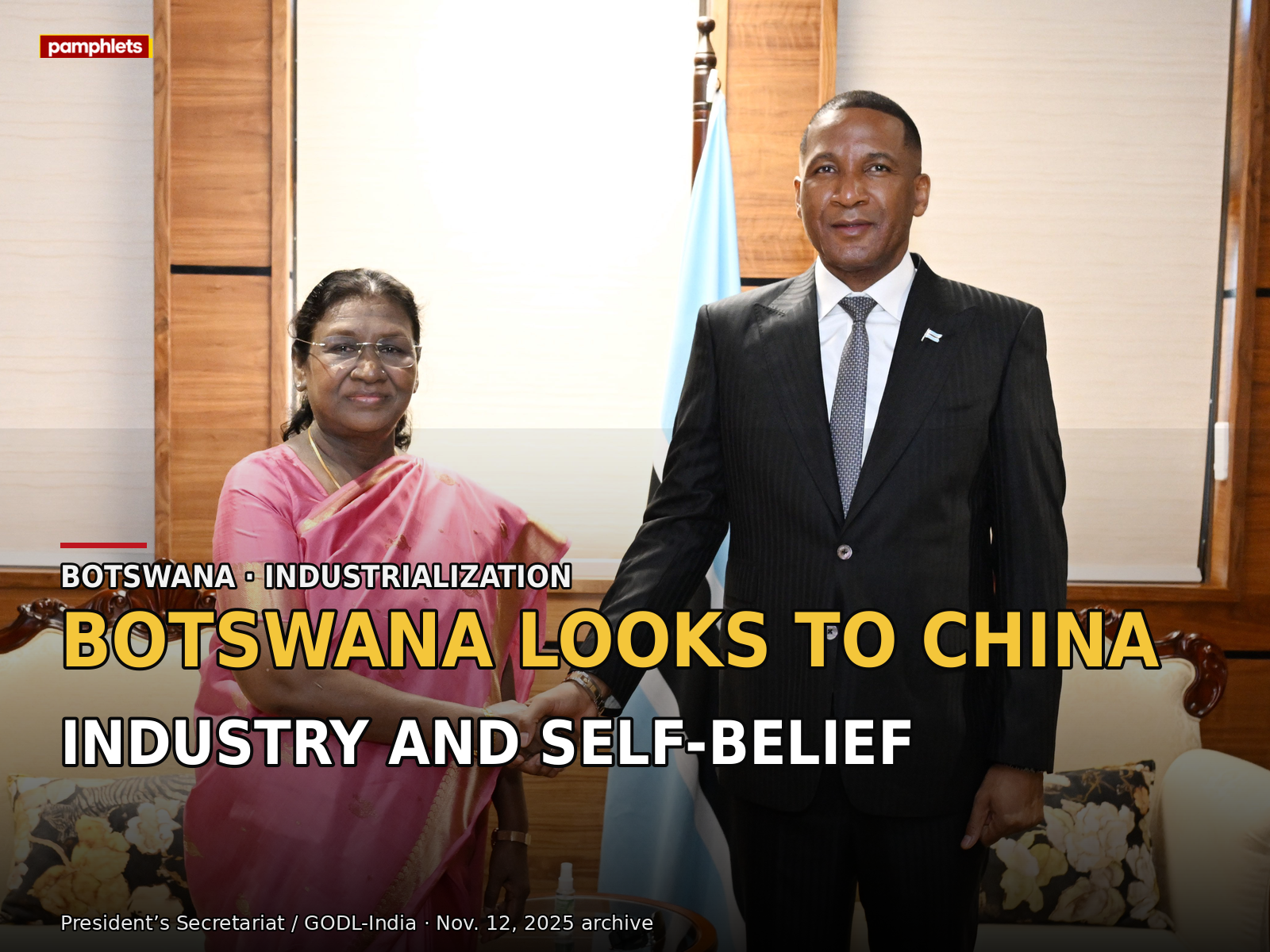
Duma Boko points to China’s development as a practical lesson for Botswana, putting industrialization, domestic capabilities and self-belief at the center.